
Long-life energy bars (UK): which bars keep longest, and which to keep in your kit
In this guide

 Written by James Frost, founder of Flaming Phoenix and the maker of Phoenix Bars. Updated November 2026.
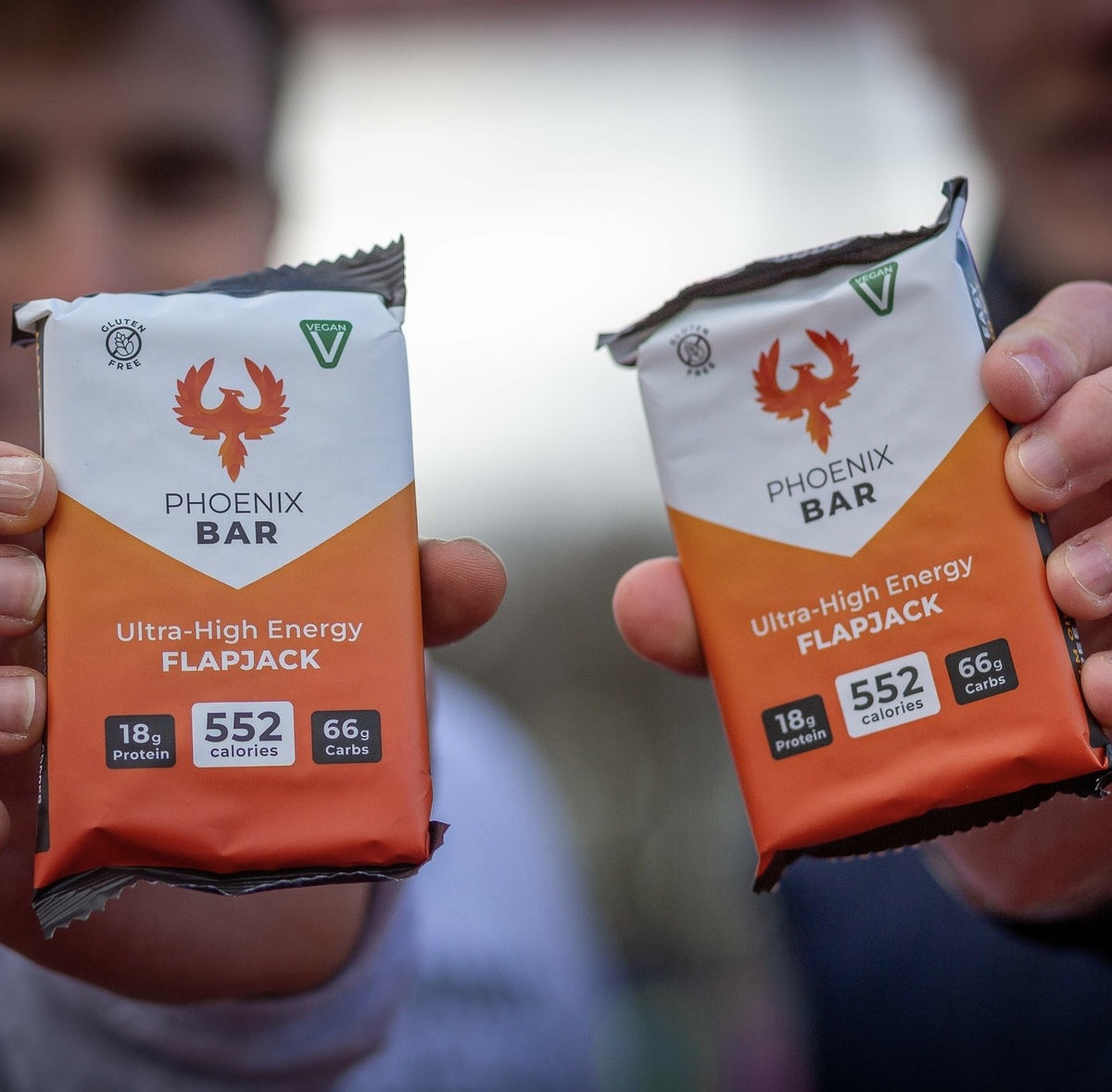
Quick answer: the longest-lasting bars you can buy are emergency ration bars, which carry a 5-year shelf life from the date they are made, but they are small 200-calorie wafers designed for lifeboats and survival kits. Everyday cereal, sports and protein bars usually keep for somewhere between 6 and 18 months. Phoenix Bars sit in between: up to 557 calories in a compact, 120g bar, a shelf life of up to two years, and nothing to cook, heat or add.
This guide compares long-life bars by how long they keep, how many calories they carry and what each type is actually good for, so you can pick the right bar for a grab bag, the car, a hiking kit or the cupboard. I make one of the bars in this guide, and I have said so wherever it comes up.
Long-life bars compared by shelf life
The date on a bar in the UK is almost always a best before date, which is about quality rather than safety. A sealed bar kept somewhere cool and dry is usually fine to eat after it, but the taste and texture start to fade. When you are building a kit you will not open for months, the length of that date is what matters. Here is how the main types compare:
- Emergency ration bars (for example Datrex): 5 years from manufacture. 200 calories per wafer, sold in packs of 2,400 or 3,600 calories. Best for lifeboats, survival kits and long-term storage you never touch.
- Phoenix Bars (the high calorie bars I make): up to 2 years, or 12 months for Cherry Bakewell. Up to 557 calories per bar. Best for grab bags, the car, hiking kits and a home food store you also eat from.
- Sports energy bars: often 12 to 18 months (Nääk, for example, quotes 18 months from production). Calories vary by brand. Best for training and racing.
- Protein bars: usually 12 to 18 months sealed. Calories vary by brand. Best for everyday snacking and after exercise.
- Cereal and granola bars: around 6 to 8 months. Calories vary by brand. Best for lunchboxes and short-term snacks.
What makes one bar last longer than another
Three things decide how long a bar keeps. The first is how dry it is: food scientists measure this as water activity, and the lower it is, the harder it is for moulds and bacteria to grow. When my manufacturer tested Phoenix Bars, water activity came in at 0.58, which is dry enough to support a two-year shelf life. The second is the fats: oils in nuts can turn rancid over time, which is why bars heavy in nuts tend to carry shorter dates. The third is fruit: dried fruit holds more moisture, which is why our Cherry Bakewell, made with dried sour cherries, carries 12 months rather than 24.
Packaging matters too. A sealed wrapper keeps out air and moisture, so keep long-life bars in their wrappers until you eat them, and store them somewhere cool and dry rather than next to a boiler or in a hot car through summer.
Which long-life bar to keep where
A grab bag. You want calories that need nothing added and do not weigh much. Six Phoenix Bars carry 3,231 calories in about 720g, a day or two of back-up. My emergency grab bag list covers the rest of the bag.
The car. Food left in a car has to cope with freezing nights and hot afternoons. Phoenix Bars will not freeze or melt, so a few in the glovebox will still be easy to eat if you are stuck on a motorway in snow. The winter car kit guide lists what else to carry.
A home emergency box. The UK government's Be Ready advice is to keep enough food and water at home for 3 days, and food that needs no cooking is the practical choice if the power is off. For one adult that is roughly 7,000 calories, and 12 Phoenix Bars carry 6,462 of them. The 3-day emergency food guide and the home emergency kit checklist go through the whole list, water included.
A hiking or expedition kit. Here calories per gram matter as much as shelf life, because you carry every gram. Phoenix Bars work out at about 4.6 calories per gram. See the best energy bars for hiking for how other bars compare.
Ration bars or Phoenix Bars?
They do different jobs. Ration bars last longer, five years against our two, and they are made to be eaten in small measured portions when there is nothing else, which is why lifeboats carry them. If you want food you can forget about for years, they are the right choice.
Phoenix Bars are made to be eaten as normal food too. There are six flavours, each bar carries up to 557 calories and up to 19g of protein, and you can mix one with water to make a porridge in about a minute. That means you can rotate them: eat the oldest on a long walk or a busy day and replace them, so your kit never quietly goes out of date. They are also vegan and made with gluten-free oats. For more on ration packs and bars, see the emergency rations guide, and for other foods that keep for years, the long shelf life food guide.
How to make long-life bars last
Keep them sealed, cool and dry. Write the date you bought them on the box, put one reminder in your diary six months from now, and when a bar gets within a few months of its date, eat it and buy a replacement. If you are buying bars for an emergency kit, check the best before date when they arrive so you know when to rotate them.
Common questions about long-life energy bars
How long do energy bars last?
Most everyday cereal, sports and protein bars carry a best before date of about 6 to 18 months. Emergency ration bars last 5 years from manufacture. Phoenix Bars keep for up to two years, or 12 months for Cherry Bakewell.
What is the longest-lasting energy bar?
Emergency ration bars, such as those carried in lifeboats, have the longest shelf life at 5 years from the date they are made.
Can you eat energy bars after the best before date?
A best before date is about quality, not safety, so a sealed bar stored somewhere cool and dry is usually fine to eat after it, although the taste and texture fade. Do not eat a bar that smells off, looks mouldy or has a damaged wrapper.
Do Phoenix Bars freeze or melt in the car?
No. Phoenix Bars will not freeze or melt, which is why people keep them in the car and in kit bags.
How many bars do I need for 3 days?
An adult needs roughly 7,000 calories for 3 days. Twelve Phoenix Bars carry 6,462 calories, which covers most of it, and 18 cover it with room to spare.
Related guides
Emergency rations UK · Long shelf life food · Emergency grab bag list · Winter car kit · Power cut essentials · Survival food UK

Big calories. Small bar.
Up to 557 calories in a compact, lightweight bar of only 120g, with up to 66g of carbs and 19g of protein. Eat it whole, break it into pieces over a few hours, or mix it with water or milk for porridge.
Easy to eat, easy to digest and not sickly sweet. Customers have eaten them at -45°C and through the heat of the Marathon des Sables, and they keep for up to 2 years, so they work on a mountain, on a night shift, or at home on days when eating enough feels hard.
- 557 calories in only 120g (529 to 557 by flavour)
- 4.6 calories per gram
- 66g carbs per bar (up to)
- 19g protein per bar (up to)
