



I have used these bars for multi day ultra running events. They are the most calorie per weight I could find, so they helped to reduce the weight of my running pack but still allowed me to carry enough supplies . The flavours are nice also.
I have used Phoenix bars on several events including deep arctic cross-country ski-ing in -35 degrees, and on a recent event in upstate NY is relative balmy 20 degrees. The Phoenix bars are easy to eat and get down without the hassles of dry mouth syndrome when eating on the hoof as one experiences with many other foods. Gels have never worked for me. I love the ease of eating these, and the easy digestion and consistent energy. I actually made porridge for breakfast one morning with the chocolate bar and was really enjoyable and easy to make with a little hot water. Excellent product James - well done
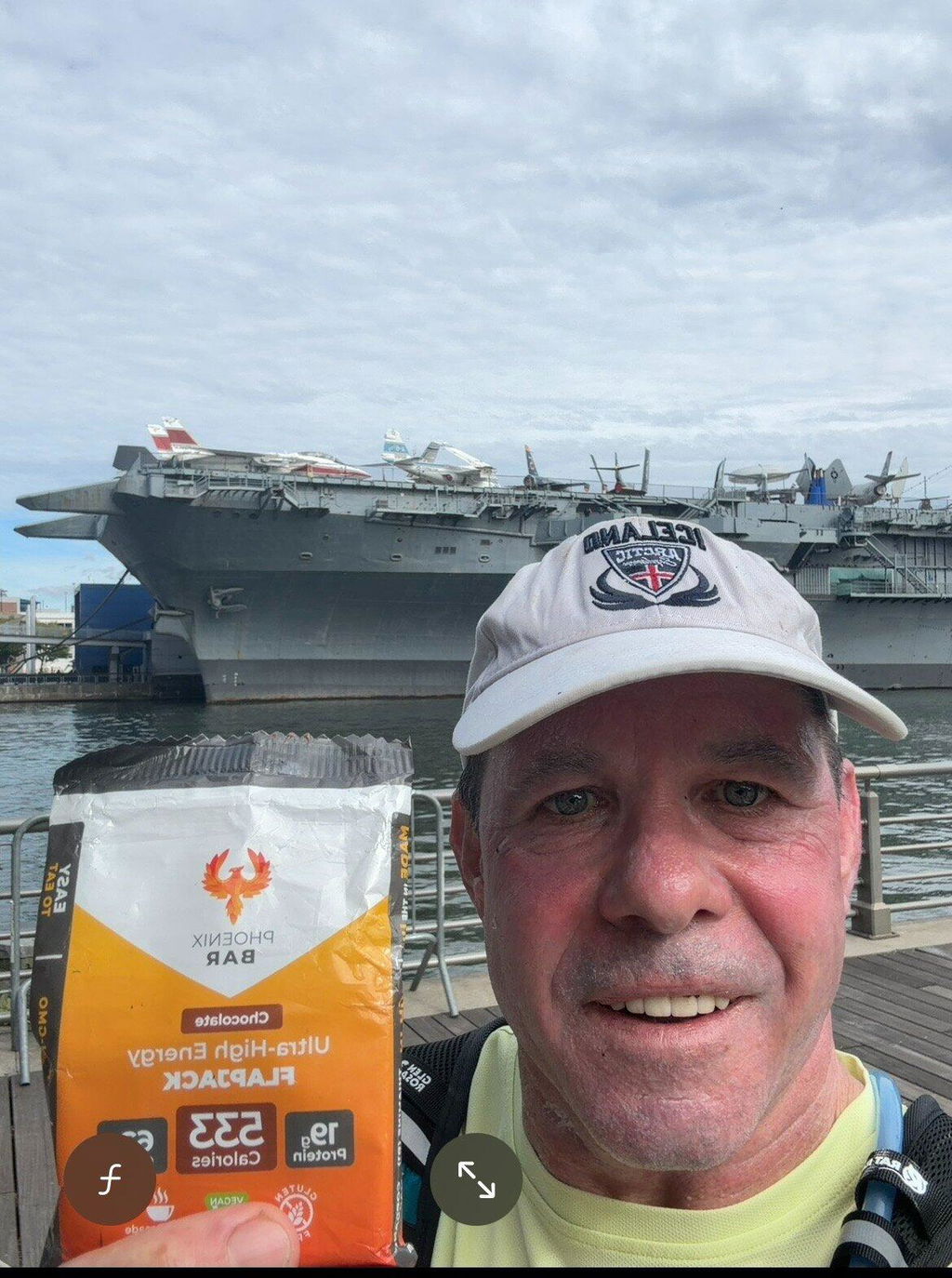
The Flaming Phoenix bars have now become the standard food for my long fell runs (15+ miles). They fuel exceptionally well, cause no issues and reduce the amount of food I need to carry. Well worth the investment.
I'm really impressed with the bars. Had 3 of them while I was out running 22 miles and no spikes at all. When I've used gels before I've had bad spikes.
I bought Phoenix Bars because of their high energy to fuel my walk up Mount Snowden. They worked well for me and I think they are a great product!
Between us we took a selection of these bars on The Long Crossing of the Lofoten Islands which is about 150 miles north of the Arctic Circle and has some pretty remote sections with plenty of wild camping.
We have tried other energy sources for our endurance treks and thought we would take these as a safety back-up in case we couldn't resupply as planned and/or for those longer days where you just need to make a final push before stopping for the night.
We were all genuinely pleasantly surprised by the range of flavours and the texture of the bars which made eating and digesting them a breeze without any sickly sweet aftertaste. We didn't make them into porridge and tbh the bars were pretty crumbly after being bashed around in our rucksacks for a while but that was no drama at all. The bars were sufficient to fill us up, provide a steady source of energy and improved morale no end during some pretty testing weather!
The chocolate and salted caramel flavours were top choices amongst the team. Phoenix Bars will definitely feature on future expeditions!

It’s made from real high quality ingredients including real fruit, and isn’t overly sweet like many other protein/energy bars. It’s also vegan, gluten-free and dairy-free, which makes it really easy to keep down, especially when you’re already overloaded with sickly sweet gels and your body just can’t handle anything too rich.
I’m a full marathoner, and the whole bar was probably a little too much to eat during the race, but it was still really helpful for refuelling. I had about half of it bit by bit during the race, then ate the rest as a recovery food. I’d love to see the product range expand in the future, and a smaller portion version would be great too.
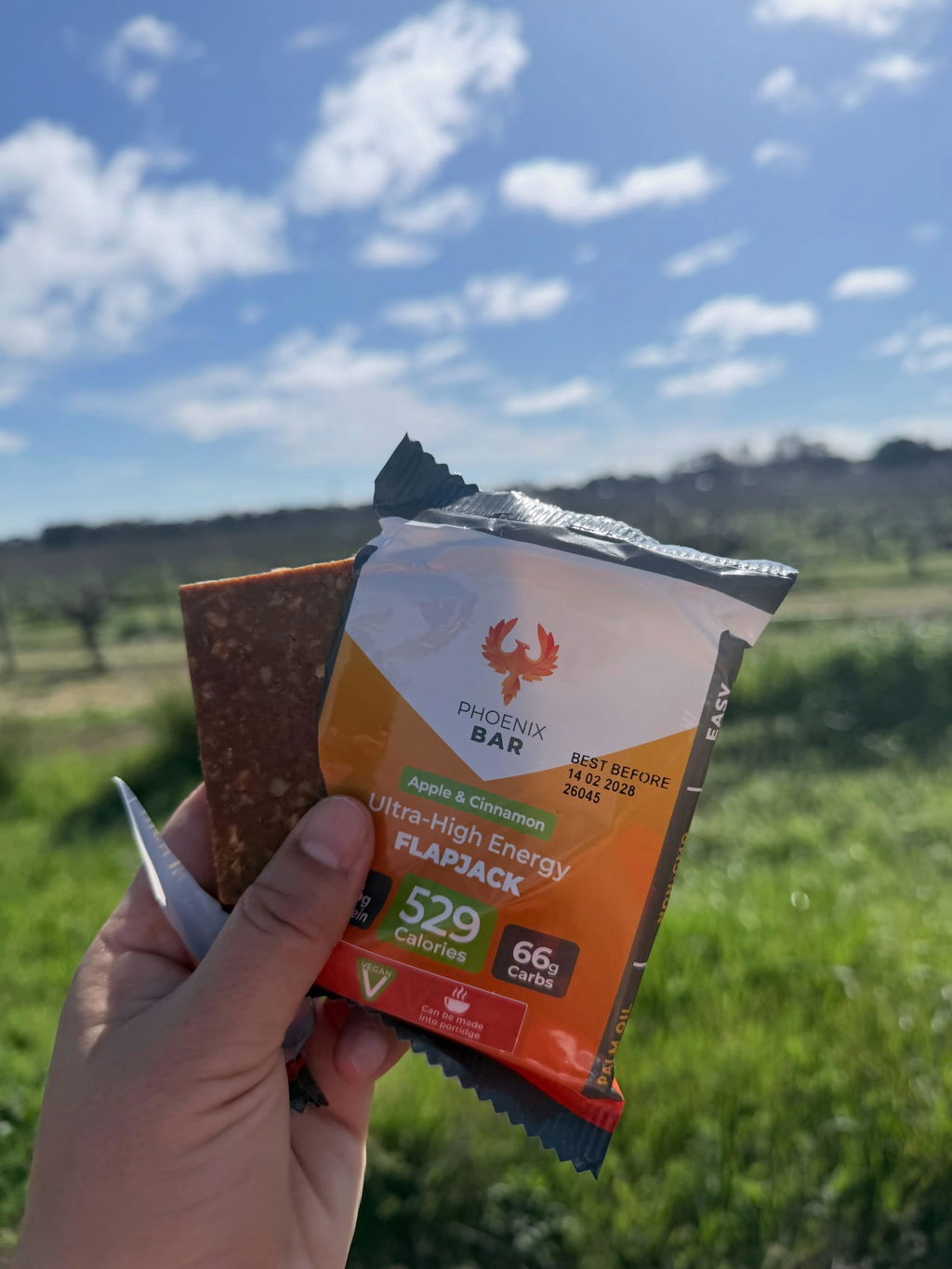
I have digestive issues which is making me feel full quickly when I eat. It’s been hard for me to eat normal amounts so I’ve lost lots of weight. I thought these bars are a really good way to get in some extra calories. They were easy to eat without making me feel too full and the taste and texture is nice.
personally I found the bars too sweet as a porridge but that’s probably because the porridge I normally eat is not sweetened and I don’t eat a lot of sweet things. The only thing I wasn’t keen on is that they contain rapeseed oil. Additional coconut oil would be healthier.
I did manage to maintain my weight whilst eating these but I only bought 10 bars as they are quite expensive and not something I could afford to purchase regularly although I may order a few more bars as I will be seeing a dietitian in a couple of weeks and need something to help maintain my weight until then.
Well done. A fantastic product James.
I did a half marathon this morning and took 2 bars with me in my running vest.
No melting, easy to digest and I feel energised each time.
I will use them on the William Wallace Ultra Marathon in October and climbing Aconcagua in Feb 2027.
It’s so difficult to get the proper nutrition if you are a vegan.
I just wanted to say I used Flaming Phoenix bars (ginger flavour) in my latest triathlon, and it was brilliant.
I’ve been doing triathlons for nearly 10 years and, honestly, this is one of the best nutrition products I’ve found. The flavour was great, the texture was easy to eat while riding, and it gave me plenty of energy without upsetting my stomach or making me feel sick.
My fuelling strategy is to take a bite size portion every 15 minutes, the only slight issue I had was that the bar was quite crumbly.
As a 57-year-old female athlete, I find sports nutrition can often be a challenge, particularly as many products upset my stomach or are simply too sweet. It was such a relief to find something that worked so well.
Thanks for making such a fantastic product.
used two vanilla bars during the Yorkshire Three Peaks training run with my dog — officially 24 miles with 5,250 feet of ascent, though my Garmin recorded 6,490 feet? I broke each bar into around six pieces and ate them throughout the round.
They were easy to eat, didn’t clog my mouth, and I wasn’t left spitting out dry food — a real plus compared with other bars that can be too dry. I also had no stomach discomfort while running or trotting, and they didn’t put me off taking more fuel on the hour.
My energy levels felt steady throughout, with no dips or crashes that needed a quick sugar hit — which often leads to more lows later. Overall, I only used the two bars, one energy gel for the final push up Ingleborough, and about two litres of water across four bottles, each with half an electrolyte tablet. The rest of my food stayed untouched, which was excellent.
In summary, the big win was steady energy over the full 5 hours 51 minutes steady training run and a few seconds. A great result.

Unbelievable when in a porridge and serve as a great high cal low weight option - but not fit for purpose, too dense and hard to eat when not mixed with water.
Would reuse but not as a bar or quick consumption energy source.
Hi Alasdair, thank you very much for taking the time to review Phoenix Bars - I appreciate it!
I'm realled glad you like Phoenix Bars as a porridge and that you appreciate how calorie-dense they are.
I'm sorry to hear that the texture of the bars wasn't to your liking and I'm keen to take your comments onboard to improve the texture for quick, on-the-go use.
Thank you for your support for Phoenix Bars.
Best,
James (Founder)
Brilliant high calorie bars
Using on the Yukon 1000 10th July 2026, we’ve trialed them for several long sessions and they really do work and give you plenty of extra energy.Very happy team YOY Richard & Rob

Hi Richard, thank you so much for your fantastic review and I hope you had a great adventure! I am thrilled to hear that your Phoenix Bars have consistently given you the extra energy that you need - that's exactly what I designed them for.
If there's any other adventures you have planned, I'd love to hear about them. Thank you for your support for Phoenix Bars - I really appreciate and, as always, please let me know if there's anything I can do to help.
Best,
James Frost
the flapjacks were great. I particularly enjoyed them soaked in milk in the morning. But they were also perfect for on the go. The only drawback is that they were so crumbly I kept losing bits of them as they were either already broken or broke as I moved along and I lost quite a bit of them. Taste was great though.
Hi Naomi, thank you for sharing your experience - I hope your Spine Race went well!
I'm really glad you enjoyed the taste of your Phoenix Bars and that youfound them convenient on the go. I appreciate your feedback about the crumbly texture and will certainly take your feedback on board.
Thank you again for choosing Phoenix Bars and if there is anything I can do to help you in the future - please let me know.
Best,
James Frost (Founder)
I came across Flaming Phoenix bars whilst looking for a high calorie bar, that can be eaten on the go, in small bits. My sister has and is suffering from severe weight loss due to cancer. At the moment she needs something to help her gain weight and keep her energy levels up, without upsetting her digestive system. I had ordered two bars for her to try, Apple cinnamon and vanilla. She really liked both and the chocolate sample that James had kindly included. She managed to eat the two bars in 5 days and in combination with Fresubin, has not suffered anymore weight loss. She has actually gained 300gr in weight. I placed a second order last week, 6 bars, and had them shipped to Germany and they arrived today. So delivery was quite fast. She is so impressed by the quality of the bars and we as a family can’t thank James enough for being so compassionate and for delivering an outstanding customer service. Thank you!
Hi Ivonne, thank you so much for sharing your heartfelt experience. We're delighted to hear the bars are making a positive difference for your sister. Your kind words about our service mean a lot to us. Wishing your sister continued strength and health! Best, James
On recent climbs ive always struggled with nutrition due to high winds and cold. I couldnt cook or boil water at camp 4 on Aconcagua. Ive tried these on a few wild camps and they taste great, lots of calories and gives me the option to just nibble on them getting ready for a summit attempt. With the consistency l, it will do well at altitude and extreme cold.
Good tuck for a long hike. Tasty and easy to eat on the move. Great job!
Very happy with flaming Phoenix, I bought them to help me on my ultra runs & I work as a lorry driver. They also help me stop buying service station food. They are very easy to eat as a bar, no problems with digestion. The range of flavours is excellent. I would buy again.

So pleased to hear you enjoyed your Phoenix Bars, Simon - both for ultra running and for your work! If there's anything I can do to help you - please let me know. James - founder
I bought Phoenix bars as I was doing the West Highland Way in Scotland, and wanted to make sure I was getting in enough calories each day without carrying too much weight.
I found the bars really helpful for this, and were surprisingly easy to eat and not too stodgy.
They helped more than expected, especially as I got ill on day 2 of my hike which really affected my appetite - the bars were a good way to get the calories in even when I was not hungry.
I will certainly be using them again for my hikes in the future, thank you very much.
Impressed with these. Decent on their own for a snack or great when adding to your normal porridge for some extra calories for cold mornings in the mountains!
Thank you so much for taking the time to write a review, Thomas - I'm really pleased you enjoyed and benefitted from Phoenix Bars and I really appreciate your support! If there's anything I can do to help you in the future - please let me know. Best, James
I used the bars during my ultra and they were great. They taste pleasant, easy to break them into chunks and one bar kept me going for long. I would also like to say that the communication with customer service was exceptional. I will be ordering more bars soon.
Thank you for taking the time to review Phoenix Bars - Zsuzsanna - I am really pleased to hear you enjoyed them and that you're happy with my customer service. If I can help in any way - please let me know. James (founder)
I used Phoenix Bars for the Marathon Des Sables and I thought they were brilliant. I've struggled in the past with ultra running nutrition - such as gels - but these bars worked really well for me.
Great nutrition and the new flavours are delicious.
Will buy again.
I used phoenix bars throughout the Marathon des Sables. I found them superb and would highly recommend to anyone doing multi day events or even single day ultra events. The flavours are great and the bars are very easy to consume.
