Loss of Appetite: What to Eat When You Have No Appetite
Written by James Frost, Founder of Flaming Phoenix | Last reviewed: March 2026
I have spoken with over 150 people who struggle to eat enough. Before I developed Phoenix Bars, I spent months having conversations with people whose appetite had disappeared, sometimes gradually, sometimes overnight. The reasons were different every time. But the experience was almost always the same: they knew they needed to eat, they wanted to eat, and they could not make themselves do it.
What struck me most was how isolating it felt for them. Most nutrition advice assumes you have an appetite and just need to make better choices. When appetite itself is the problem, that advice is useless. You do not need a meal plan. You need food that you can actually get into your body on a day when eating feels impossible.
This guide is built from those conversations. It covers why appetite disappears, what actually works when it does, and the specific foods and strategies that the people I have spoken with found most helpful. It is not medical advice. If your appetite has changed significantly or you are losing weight without meaning to, please speak with your GP.
Why appetite disappears
Appetite is not just about hunger. It is a complex signal influenced by hormones, gut function, brain chemistry, stress, fatigue, medication, illness, and even emotion. When any of these systems are disrupted, the signal to eat can weaken or disappear entirely. This is why telling someone with no appetite to "just eat" is unhelpful. The mechanism that makes eating feel natural and desirable has been disrupted.
From the conversations I have had, appetite loss typically falls into a few patterns.
Some people never feel hungry at all. The physical sensation of hunger simply does not arrive. They can go an entire day without eating and only realise in the evening that they have not had anything. This is not a choice. The body is not sending the signal.
Some people feel hungry but the moment food is in front of them, the desire to eat vanishes. The sight or smell of food triggers something that shuts appetite down. They might prepare a meal, sit down, and then find they cannot face it. This is particularly frustrating because the hunger was real five minutes ago.
Some people can start eating but feel full after a few mouthfuls. They want to continue but the stomach sends a premature "stop" signal. If this is your primary experience, our dedicated guide on what to eat when you feel full after a few bites covers this in detail.
Some people find that eating makes them feel nauseous, which creates a learned aversion. The body associates eating with feeling sick, so appetite shuts down as a protective response. Over time, this can become a cycle that is hard to break.
Understanding which pattern you experience matters because the strategies that help are different for each one.
The two rules that matter more than any food list
Every successful approach I have seen follows two principles. Everything else is detail.
Rule one: calories per mouthful matter more than what you eat. When appetite is low, every bite you manage to take needs to deliver as much energy as possible. A spoonful of peanut butter provides 95 calories. A spoonful of soup provides 15. If you can only manage ten spoonfuls today, the difference between those two choices is 950 calories versus 150. Choosing calorie-dense food when appetite is low is not about nutrition labels or balanced plates. It is about survival maths. For a complete breakdown of which foods deliver the most calories per bite, see our guide to calorie-dense foods.
Rule two: frequency beats volume every time. Eating six tiny amounts across a day is almost always more achievable than eating three proper meals. A tablespoon of nut butter at 8am, a few bites of cheese at 10am, half a yoghurt at noon, a few squares of chocolate at 2pm, a couple of spoonfuls of mashed potato at 5pm, and a small glass of whole milk at 8pm. None of those feel like eating a meal. But together they add up to meaningful calories. The pressure of sitting down to a full plate and trying to finish it is one of the biggest barriers people with low appetite describe. Remove the plate. Remove the table. Remove the expectation. Just get small amounts of calorie-dense food into your body whenever you can.
What to actually eat when you have no appetite
Rather than giving you a generic food list, I am organising this by what people in your situation have actually told me works. These are the foods that came up most often in my conversations with people who struggle to eat.
Foods you can eat without thinking about it
The biggest barrier to eating when you have no appetite is the mental effort of deciding what to eat, preparing it, and then sitting down to eat it. The foods that work best are the ones that require zero decisions and zero preparation. A jar of smooth peanut butter and a spoon. A pot of full-fat yoghurt already in the fridge. A few squares of chocolate on the bedside table. A nutrition bar in your bag. Cheese slices in the fridge door. These are the foods that get eaten because they are there, they are ready, and they require no effort. For more foods in this category, see our guide to high calorie snacks ranked by calories per bite.
Foods you can sip rather than eat
When solid food is too much, liquid calories can keep you going. A glass of whole milk is 130 calories. Hot chocolate made with whole milk and cream is 350 calories. A smoothie made with banana, peanut butter, milk, and oats can be over 600 calories. You do not need an appetite to sip a warm drink. You do not need to sit at a table. You do not need to chew. Many of the people I have spoken with told me that on their worst days, liquid calories were the only thing that kept them from eating nothing at all. See our full guide to high calorie drinks, smoothies and milkshakes (link: /pages/high-calorie-drinks) for specific recipes with calorie counts.
Foods that are soft and require no effort to eat
When appetite is low, the physical act of chewing can feel like too much effort. Soft foods reduce that barrier. Yoghurt, custard, mashed potato with butter, scrambled eggs, rice pudding, smooth soup with cream stirred in, and soft nutrition bars that can be broken into small pieces are all easier to manage than foods that require sustained chewing. For a detailed guide to soft foods that are also high in calories, see our soft high-calorie foods guide (link: /pages/soft-high-calorie-foods).
Foods that deliver maximum calories in minimum volume
If you can only manage a small amount of food, make it count. A tablespoon of olive oil stirred into whatever you are eating adds 120 calories. A tablespoon of peanut butter adds 95. Full-fat versions of everything you eat (milk, yoghurt, cheese, cream) add significant calories without adding volume. These small additions do not require you to eat more food. They make the food you are already managing to eat work harder. For a full guide to this approach, see how to get more calories without eating more food.

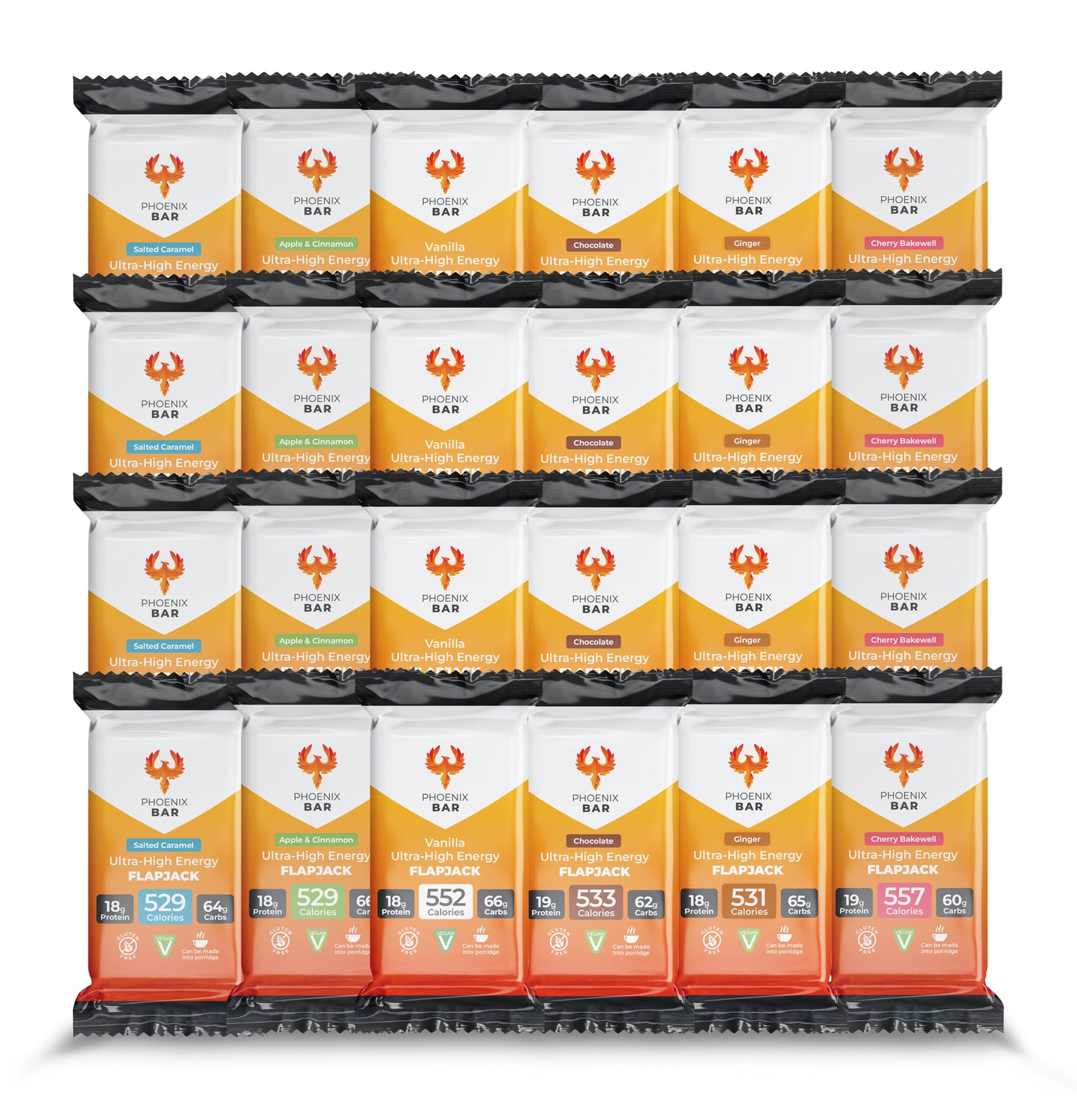
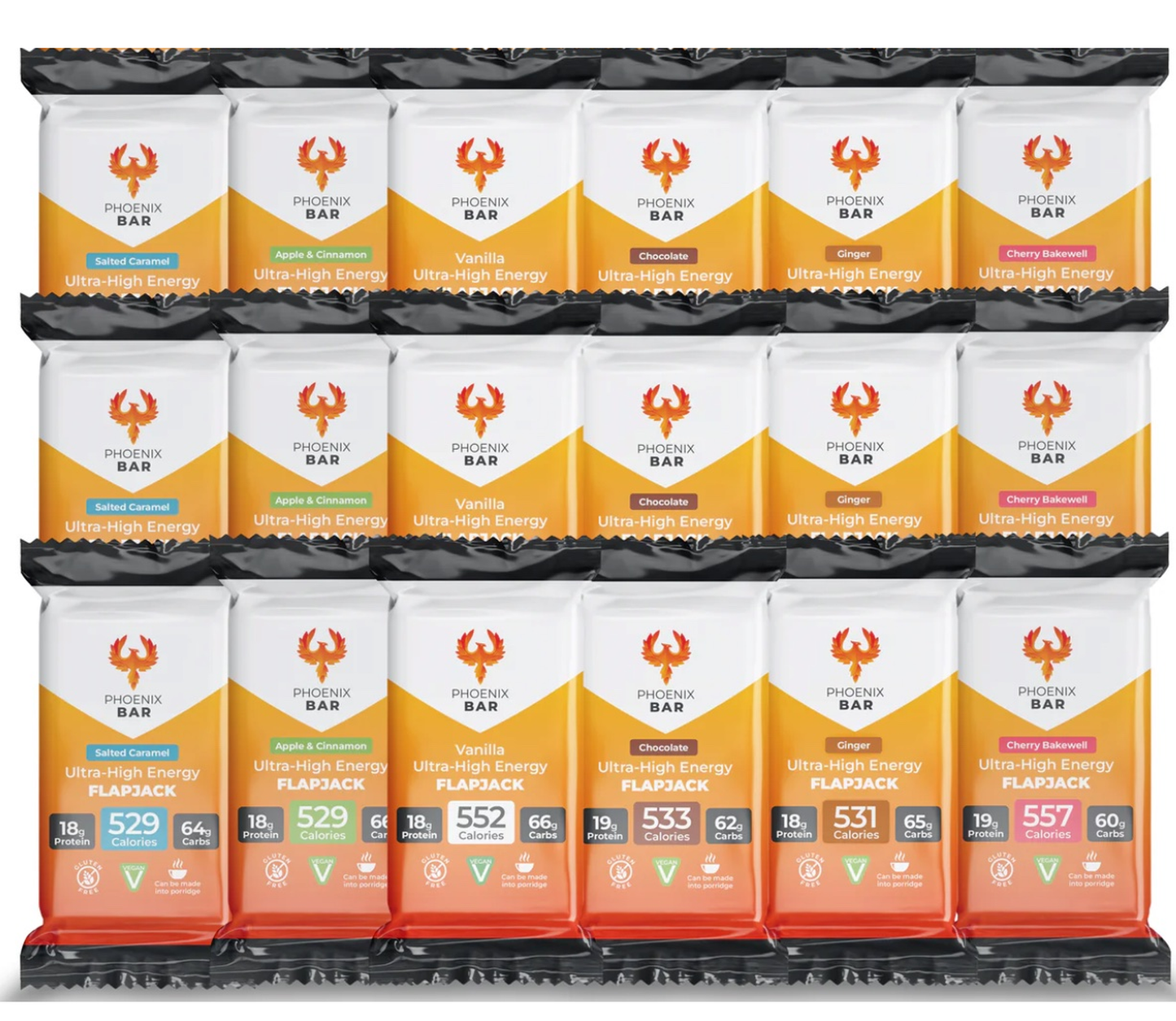
Phoenix Bars: Up to 557 Calories Per Bar
Designed for periods of low appetite. Low volume, soft, easy to eat, nutritionally dense. Can be enjoyed as a bar or made into a nutritious porridge.
What the people I have spoken with wish they had known sooner
These are not things I came up with. They are things customers and people I have spoken with told me made the biggest difference, and that they wish someone had told them earlier.
Eating does not have to look like eating. Several people told me they stopped thinking of meals as meals and started thinking of them as "getting calories in." That mental shift removed the guilt of not finishing a plate, the stress of sitting at a table, and the expectation that eating should be a normal, enjoyable experience. Sometimes it is not. Sometimes it is a task you need to complete to keep your body functioning. Accepting that made it easier, not harder.
The best time to eat is whenever you can. Some people with low appetite have a window in the morning where they can tolerate food. Others find late evening easier. There is no rule that says you have to eat at traditional mealtimes. If you can eat at 11pm but not at 7pm, eat at 11pm. If you can manage something at 5am but never at breakfast time, eat at 5am. Work with your body's schedule, not the clock.
Having food within arm's reach at all times matters more than having the right food. This was the single most common piece of advice from people who had learned to manage low appetite. Keep food on your bedside table. In your coat pocket. In your bag. On your desk. When a tiny window of willingness to eat opens, you need to be able to eat immediately, not in the 15 minutes it takes to go to the kitchen and prepare something. By then the window has closed. Several customers told me they keep a Phoenix Bar (link: /products/highcaloriebars-phoenixbars) broken into pieces in a container next to where they sit, and eat a piece whenever they can manage it across the day.
Other people's worry makes it worse. Almost everyone I spoke with described well-meaning family members or friends who put pressure on them to eat more. "Just try a bit more." "You need to eat." "I made this especially for you." The intention is kind but the effect is added stress at a time when eating is already hard. If you are supporting someone with low appetite, the most helpful thing you can do is make calorie-dense food available, remove pressure, and let them eat in their own time in their own way.
Using Phoenix Bars when appetite is low
I developed Phoenix Bars specifically for situations where eating enough is difficult. Each bar provides over 550 calories in a compact format that can be eaten gradually in small pieces over several hours. There is no pressure to finish it in one sitting. Break off a piece, eat what you can, come back to it later.
The bars can also be made into a warm porridge by crumbling them into a bowl and adding hot water or warm milk. This creates a calorie-dense warm food that requires no cooking and is easier to eat than a solid bar for some people. See our guide on how to use Phoenix Bars (link: /pages/how-to-use-phoenix-bars) for all the different ways they can be prepared.
Phoenix Bars are a food product, not a medical treatment. They are used by ultra-endurance athletes, expedition teams, and individuals who need compact, calorie-dense food when full meals are not manageable.
When to seek professional advice
Persistent loss of appetite or unintentional weight loss should always be discussed with a qualified healthcare professional. A GP or registered dietitian can help identify underlying causes and recommend appropriate nutritional strategies tailored to your situation. If low appetite is leading to significant weight loss, see our guide on unintentional weight loss for more information.
This guide provides general information about maintaining calorie intake when appetite is low. It is not a substitute for personalised medical or dietary advice.
How People Use Phoenix Bars When Appetite Is Low
"I've always struggled to get enough calories in, especially while on the move, and these bars really helped with that. They're very easy to eat, almost melting in my mouth. Unlike other bars, they didn't give me any palate fatigue, which is really important for me."
"On the water, I lost my appetite for plenty of different types of food but not Phoenix Bars. They were delicious throughout, as well as being really easy to eat and to digest."
Frequently asked questions
What should I eat if I have no appetite at all?
Start with whatever you can tolerate. Calorie-dense foods that require no preparation are usually most manageable: nut butter from a spoon, full-fat yoghurt, cheese, chocolate, or a compact nutrition bar. If solid food feels impossible, try liquid calories like whole milk, smoothies, or hot chocolate made with cream. The priority is getting any calories in, not eating a balanced meal.
How many calories should I aim for if my appetite is very low?
Any amount is better than nothing. If you normally need 2,000 calories per day and can only manage 800, that 800 is still keeping your body functioning. Focus on increasing calorie density rather than volume. Using the strategies in this guide and our guide to getting more calories without eating more food, most people can gradually increase their intake without having to eat larger portions.
Is it better to eat small amounts frequently or wait until I feel hungry?
Eat small amounts frequently. When appetite is low, hunger signals are often unreliable. Waiting until you feel hungry may mean waiting all day and eating nothing. Setting a reminder to eat a small amount every two to three hours, whether or not you feel hungry, is more effective than relying on appetite signals that may never arrive.
What is the easiest way to increase calories when I cannot eat much?
Switch every low-fat product to full-fat, add butter or oil to hot foods, stir nut butter into porridge or yoghurt, and choose calorie-dense snacks between meals. These changes increase calories without increasing the amount of food you need to eat. See our full guide on how to get more calories without eating more food.
When should I see a doctor about loss of appetite?
If your appetite has changed significantly from what is normal for you, if it has persisted for more than a few days, if you are losing weight without meaning to, or if it is accompanied by other symptoms like pain, nausea, or fatigue, speak with your GP. Loss of appetite can have many causes and a healthcare professional can help identify what is going on and recommend appropriate support.


Flaming Phoenix
High-Calorie Bars for Ultra Endurance, Expeditions and Appetite Loss
Share