Foods to Help You Recover After Illness
About this guide
When an illness passes, most of the attention stops with it. Friends ask less often, sick notes expire, and life resumes. But the physical work of recovery has barely begun.
After a week in bed with flu, a stomach bug, a chest infection, or any other common illness, the body is depleted. Appetite is often still suppressed. Muscle has broken down. Glycogen stores are flat. Hydration is off. And the calorie deficit that built up during illness is still there, unfilled.
This guide is about what to eat in the days and weeks after illness so that you actually recover, rather than just stop being unwell. It covers the three distinct phases of illness recovery, what your body needs at each stage, and the practical food choices that bridge the gap between not-quite-well and fully-back-to-normal.
This guide is informational and is not a substitute for medical advice. If illness is severe, prolonged, or worsening, contact your GP or call NHS 111.
Written by James Frost, founder of Flaming Phoenix. Last updated: April 2026.
Key points
- Illness recovery happens in three phases: the acute phase (while unwell), early recovery (the first 3 to 7 days after symptoms fade), and restoration (1 to 4 weeks after).
- The calorie deficit built up during illness does not resolve on its own when symptoms stop.
- Appetite often lags physical recovery by days or weeks. This is when people accidentally lose weight, strength, and energy they needed to keep.
- Compact, calorie-dense foods close the intake gap when full meals still feel like too much.
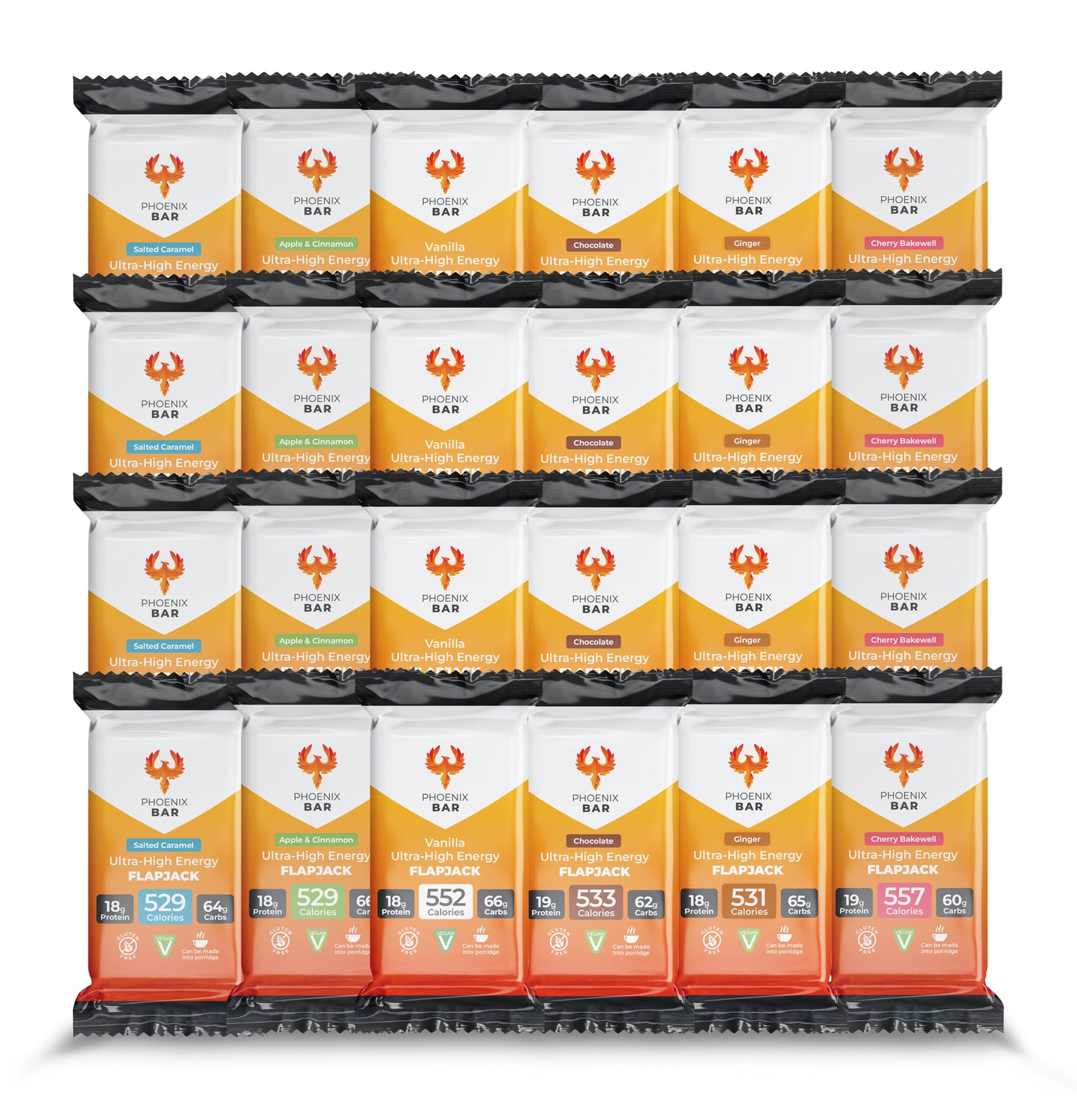
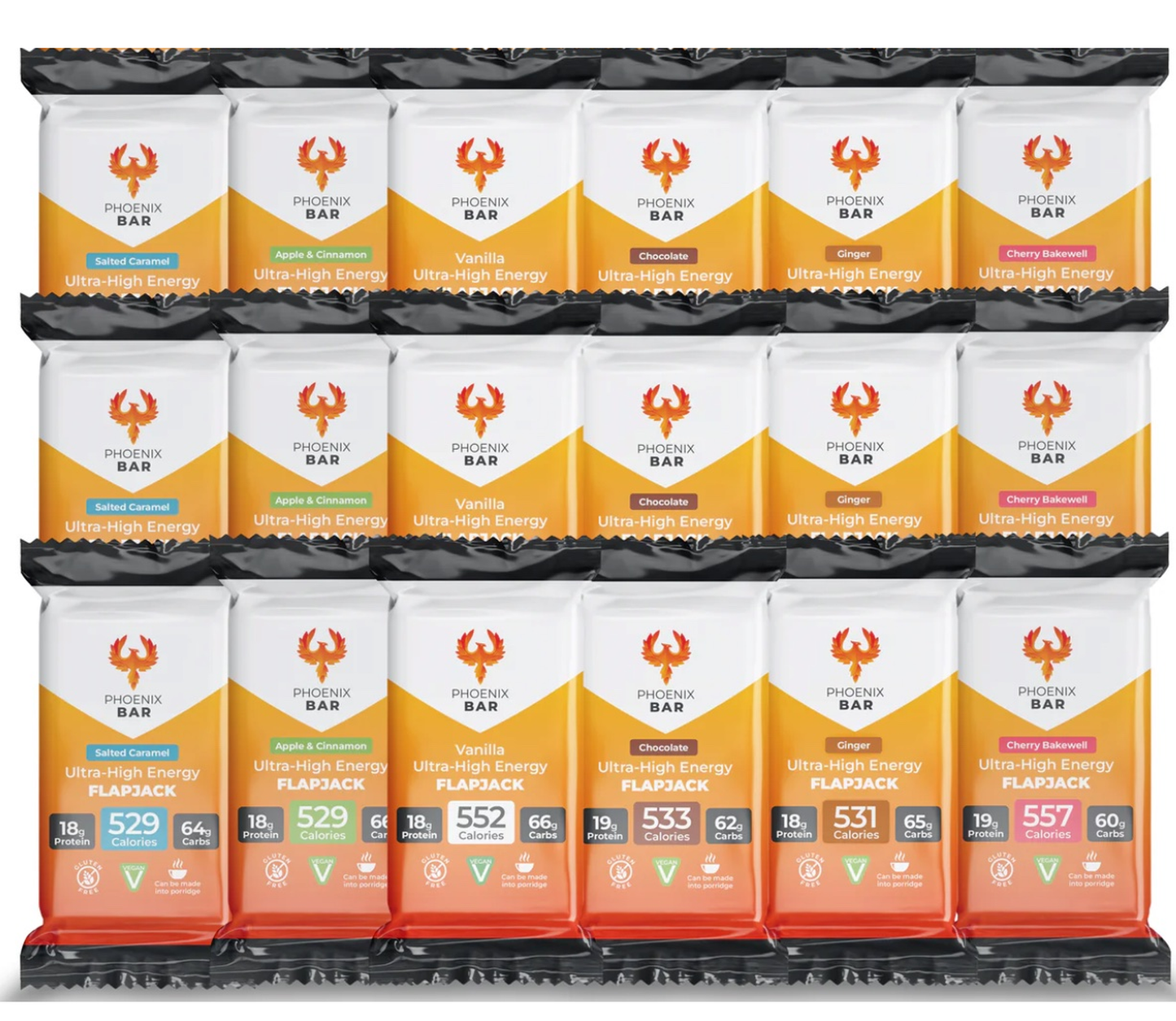
- Each Phoenix Bar delivers up to 557 calories and 19g of protein, making it a practical option for days when cooking and eating remain difficult.
What actually happens to your body during illness
Infections, viruses, and other common illnesses place three simultaneous stresses on the body, and all three deplete nutritional reserves.
Increased energy demand. A fever raises resting metabolic rate by roughly 10 to 15 percent per degree Celsius of elevated body temperature. The immune system, when actively fighting an infection, is one of the most energy-hungry systems in the body. Calorie needs rise precisely when appetite falls.
Reduced intake. Most illness is accompanied by appetite loss, nausea, altered taste, sore throat, or the simple inability to face food. Days of 40 to 60 percent normal intake are common even in relatively mild illness.
Accelerated loss. Fever, sweating, vomiting and diarrhoea deplete water, electrolytes (sodium, potassium, magnesium) and water-soluble vitamins. Bed rest accelerates muscle breakdown even when calorie intake is adequate, and during illness it rarely is.
By the time the fever breaks or the bug passes, the body is carrying a real deficit. Recovery nutrition is the process of repaying it.
The three phases of illness recovery
Most recovery guidance treats recovery as a single stage. In practice, your body moves through three distinct nutritional stages, and the right foods for each are quite different.
Phase one: the acute illness window
The period during which you are still symptomatic. Appetite may be absent, nausea present, eating painful or unappealing. The priorities here are hydration, electrolytes, and any calorie intake at all.
Useful foods in this phase include clear broths, light soups, oral rehydration solutions or diluted fruit juice with a pinch of salt, plain starches that the gut tolerates well (toast, rice, plain pasta, crackers), ripe bananas, and plain yoghurt.
Avoid heavy, fatty, or spicy foods, strong cooking smells, and large portions. The goal is tolerance, not nourishment.
Phase two: early recovery (the first 3 to 7 days after symptoms fade)
The most underestimated stage. Symptoms have gone, you feel "better", but energy is low, appetite has not returned, and the body is now switching from defence to rebuilding. Immune cells that were fighting the infection need to be replaced, muscle tissue needs to be rebuilt, and depleted nutrient stores need refilling.
This is where people most often sabotage their own recovery without realising. They stop eating the gentle, little-and-often foods that got them through illness, but they also do not yet feel like eating normally. Intake stays low for another week, appetite stays suppressed, and a mild illness quietly becomes a slow recovery.
Useful food characteristics at this stage:
- Higher in calories than phase one foods
- Still gentle on the gut and easy to eat
- Contain protein for immune and muscle rebuilding
- Energy-dense enough to restore glycogen and close the calorie gap
Practical examples include porridge made with whole milk and nut butter, scrambled eggs on buttered toast, full-fat Greek yoghurt with honey and oats, vegetable soup with added lentils or cream, banana with peanut butter, and compact energy-dense snacks eaten between lighter meals.
Phase three: restoration (1 to 4 weeks)
By now you can eat more or less normally, but the cumulative deficit from the earlier phases is real. You are lighter, weaker, and still more easily fatigued than normal. Muscle protein synthesis is elevated, meaning the body is actively rebuilding, and it will continue to do so for several weeks. This is the phase where eating slightly more than usual actively accelerates recovery.
Strong candidates at this stage include eggs, whole milk, cheese, nuts and nut butters, oily fish, wholegrains with generous butter or olive oil, and calorie-dense foods that deliver meaningful energy without demanding large portions. For a structured framework on restoring lost weight, see our guide on how to gain weight.
The post-illness calorie deficit, spelled out
Most people do not think about this, so it is worth making explicit.
If you normally eat 2,500 calories per day, and you lose around 40 percent of your intake for seven days, you have accumulated a deficit of roughly 7,000 calories. That is about 1 kilogram of mostly lean tissue and water lost over a single week. Much of the initial weight drop is water, but a meaningful portion is muscle and glycogen that needs to be actively replaced.
If you return to normal eating as soon as you start feeling better, you close the leak but you do not repay the debt. Recovery stalls, and it can take three to four weeks to fully rebuild what was lost in one.
The practical implication: for one to three weeks after illness, you benefit from eating slightly above your normal intake, not simply at it. An extra 300 to 500 calories per day, ideally with protein, is a sensible target for closing the deficit without discomfort. If appetite has not yet recovered, that is exactly where compact, calorie-dense foods earn their place.
What makes a food a good recovery food
Rather than a list of "superfoods", the useful question is: what food characteristics matter during recovery?
Calorie density. When appetite is still suppressed, every bite has to count. A food that delivers 500 calories in 120 grams does more work than one that delivers 500 calories in 500 grams, because you can actually eat the smaller portion.
Protein content. Immune recovery and muscle rebuilding both require amino acids. Aiming for roughly 20g to 30g of protein per eating occasion, across three or four occasions a day, is more effective than hitting a daily protein total in a single meal.
Ease of digestion. The gut lining takes days to recover after a stomach bug or a course of antibiotics. Gentle, well-tolerated foods return first, and heavier foods are reintroduced gradually.
Palatability when appetite is low. Food that looks and smells neutral is easier to face than food that is rich or pungent. Warm, bland, soft textures are almost always better tolerated than cold, raw, or heavily seasoned food in early recovery.
Minimal preparation. Cooking is one of the first things that gets cut when energy is low. Ready-to-eat foods, or foods that take under three minutes to prepare, are the ones that actually get eaten. Portable high-calorie snacks mean you are never more than a few minutes from your next eating opportunity.
Micronutrient replenishment. After fever, sweating, or gastrointestinal illness, sodium, potassium, magnesium, and zinc are commonly depleted. Foods naturally rich in these (bananas, yoghurt, nuts, oily fish, wholegrains) contribute to recovery beyond simple calories.

Phoenix Bars: Up to 557 Calories Per Bar
Soft, easy to eat whole or as a warm porridge. Low volume, two-year shelf life. Rated 5.0/5 from 344 reviews. £4.99 per bar.
Specific food categories that help recovery, and why
Rather than a generic list, here are the food categories that do specific work during recovery.
Porridge and oat-based foods. Slow-release carbohydrate that restores glycogen gently, gut-tolerable, warm and palatable when appetite is low, easy to fortify with whole milk, nut butter, honey, or protein to push the calorie count.
Eggs. Complete protein, around 70 calories per egg, can be prepared soft (scrambled, poached, boiled) for recovering appetites, and adaptable across the day.
Whole milk and full-fat dairy. Liquid calories are often tolerated when solid food is not, and dairy delivers protein, calcium, and a range of micronutrients. Whole milk provides around 60 calories per 100ml. A 150g pot of full-fat Greek yoghurt delivers roughly 150 calories and 10g of protein.
Nuts and nut butters. Calorie-dense at around 600 calories per 100g, rich in healthy fats, portable, and easy to add to almost any other food to multiply the calorie content without adding volume.
Oily fish. Salmon, mackerel, and sardines deliver protein, essential fats, and a range of anti-inflammatory nutrients. Useful later in recovery when appetite can handle them.
Bananas. Easily tolerated, rich in potassium, and one of the few fruits with a meaningful calorie density at around 90 calories each.
Fortified soups. Vegetable soups with added lentils, cream, beans, or barley deliver warmth and hydration alongside meaningful calories and protein.
Compact high-calorie bars. When eating and cooking feel like too much, a calorie-dense bar that can be eaten in small amounts over an hour keeps intake ticking over without requiring a meal.
Common mistakes people make during illness recovery
Mistake 1: assuming recovery is over when symptoms stop. Symptom resolution and physical recovery are not the same thing. The body continues to rebuild for days or weeks after you feel "fine".
Mistake 2: returning to normal portions before appetite is ready. The plate looks daunting, half of it goes uneaten, and intake stays below maintenance. Smaller, more frequent meals close this gap more reliably than forcing normal-sized meals.
Mistake 3: not replacing lost fluid and electrolytes. Plain water is not always enough after fever or gastrointestinal illness. A pinch of salt in a smoothie, a cup of broth, or a proper oral rehydration solution restores what was lost more effectively.
Mistake 4: cutting back on fat during recovery. Fat is the most calorie-dense macronutrient and often the easiest way to raise intake without increasing volume. Olive oil in soup, butter on toast, whole milk in porridge, and cream in coffee all earn their place in this window.
Mistake 5: skipping the restoration phase entirely. People ride out an illness, feel better, return to normal eating, and wonder why they feel flat for a month. The first two weeks after symptoms fade are when extra calories and protein do the most work. Eating to recover is not the same as eating to maintain.
When compact high-calorie foods earn their place
There are stretches during illness recovery when cooking is not going to happen and full meals are not going to be eaten. For those stretches, the practical question is: what delivers meaningful calories with almost no effort?
This is where compact, calorie-dense foods do their work. A 120g bar that delivers up to 557 calories and 19g of protein does the nutritional work of a small meal in roughly one-tenth of the volume. It can be eaten in small pieces over an hour when appetite is low, held in one hand when fatigue is high, and kept within arm's reach when getting to the kitchen is too much.
How Phoenix Bars fit into illness recovery
Phoenix Bars were originally developed for ultra-endurance athletes who need maximum energy in minimum volume with no preparation. The qualities that matter on an expedition (calorie density, ease of eating, digestibility, long shelf life) also matter during recovery.
Each bar:
- Delivers up to 557 calories and 19g of protein in 120g
- Is soft enough to eat when chewing feels like effort
- Can be eaten in pieces across an hour rather than in a single sitting
- Can be made into a warm porridge with hot water or milk for days when solid food is still difficult
- Is vegan and gluten-free
- Has a two-year shelf life and needs no refrigeration
- Comes in six flavours (Vanilla, Cherry Bakewell, Chocolate, Salted Caramel, Ginger, Apple & Cinnamon), which matters when taste changes or food fatigue are present
Practical use during recovery. Keep one or two bars within reach of wherever you are spending time. In phase one, break a piece off every couple of hours. In phase two, use a bar as a substantial between-meal snack that delivers the same calories as a small lunch. In phase three, use them to supplement meals on low-energy days or as a fast breakfast on mornings when cooking is still too much.
Frequently asked questions
What are the best foods to eat after illness?
The best recovery foods are calorie-dense, protein-containing, easy to digest, and require little preparation. Good examples include porridge with whole milk and nut butter, scrambled eggs on buttered toast, full-fat Greek yoghurt with honey, fortified soups, bananas with peanut butter, and compact high-calorie foods for between meals.
How long does it take to recover appetite after illness?
Appetite usually starts returning within 1 to 3 days of symptoms resolving, but full appetite recovery commonly takes 1 to 2 weeks for common illnesses and longer for more severe or prolonged ones. During this window, eating by the clock rather than by hunger helps prevent accidental weight loss.
Why am I still tired after my illness has passed?
Post-illness fatigue is typically a combination of depleted glycogen, muscle loss from bed rest, ongoing immune activity, and a calorie deficit that has not yet been repaid. It usually improves over 1 to 4 weeks with adequate rest and intake. If fatigue is severe, prolonged, or worsening, consult your GP.
Should I eat more than normal during recovery?
Yes, for a limited period. Eating 300 to 500 calories per day above your usual intake for one to three weeks helps repay the calorie deficit accumulated during illness. Protein intake of roughly 1.2 to 1.6g per kg of body weight during this window supports muscle rebuilding.
Are high-calorie foods good for recovery?
Yes, particularly in the first two to three weeks after illness. When appetite is still suppressed, high-calorie foods deliver the energy the body needs for rebuilding in a volume that can actually be eaten.
What should I avoid eating after a stomach bug?
In the first few days after a stomach bug, avoid heavy fats, fried foods, spicy foods, dairy (for some people), and large portions. Favour plain starches, bananas, plain yoghurt or kefir if tolerated, and clear soups, then gradually reintroduce richer foods over the following week.
Can Phoenix Bars be eaten during illness recovery?
Yes. Phoenix Bars were developed for people who need maximum calories in minimum volume with no preparation. They can be eaten whole, broken into small pieces for gradual intake over an hour, or mixed with hot water to create a warm porridge when solid food still feels difficult.
When should I see a doctor during recovery?
Consult a GP if symptoms worsen after initial improvement, if fatigue is severe or lasts longer than two to three weeks, if unintentional weight loss is significant, or if you cannot keep food or fluids down. Call 111 or 999 for emergencies.
Related guides
- Calorie-dense foods: what they are and why they matter
- High-calorie snacks: compact options for when full meals are too much
- How to gain weight: a practical guide for restoring lost weight
Buy Phoenix Bars
If you are recovering from illness and finding eating difficult, Phoenix Bars can help close the calorie gap without demanding cooking or large portions. Each bar delivers up to 557 calories and 19g of protein in a soft, easy-to-eat 120g format. Vegan, gluten-free, two-year shelf life. £4.99 per bar.
If you have questions about using Phoenix Bars during recovery, contact me directly.
James Frost Founder, Flaming Phoenix jfrost@flaming-phoenix.co.uk


Flaming Phoenix
Share