Night Shift Nutrition: How to Eat Well When You Work Through the Night
If you work nights, you already know the reality. The canteen is closed. The vending machine is the only thing open. You had good intentions about meal prep, but you got four hours of sleep and the Tupperware is still sitting on the kitchen counter.
Around 3 million people in the UK work permanent or rotating night shifts. Nurses, paramedics, factory workers, security staff, police officers, warehouse teams, care workers, truck drivers. The advice they get is always the same: prepare balanced meals with lean protein and whole grains, eat at regular intervals, avoid processed food.
That advice is fine in theory. In practice, you're standing in a corridor at 3am with a 10-minute break, no microwave, and a choice between a Mars bar and nothing.
This page is about what actually works. Not aspirational meal plans. Not Instagram-worthy lunch boxes. Just practical strategies for getting enough energy into your body when the world around you is asleep.
Why eating on night shift is harder than people think
Your body isn't designed to eat at 2am. Your digestive system slows down overnight as part of your circadian rhythm, which means food sits heavier, you feel bloated more easily, and your appetite often disappears entirely during the middle of the night, only to come roaring back at 6am when you should be winding down to sleep.
Research from the British Dietetic Association shows that shift workers tend to eat less nutritious food, consume more sugar and saturated fat, and skip meals more often than daytime workers. This isn't a willpower problem. It's a structural one. The food environment on a night shift is fundamentally hostile to healthy eating.
The common barriers are predictable because almost every night shift worker faces the same ones: no access to fresh food after midnight, limited or no kitchen facilities, unpredictable break times (especially in healthcare and emergency services), fatigue that kills motivation to prepare food in advance, and appetite disruption that makes full meals feel impossible during the shift itself.
The solution isn't trying harder to meal prep. It's building a food strategy around these constraints instead of pretending they don't exist.
The three-phase eating framework for night shifts
Rather than trying to follow a normal breakfast-lunch-dinner pattern, think about your food in three phases: before the shift, during the shift, and after the shift. Each phase has a different job.
Before your shift: front-load your energy
Eat your biggest meal 1 to 2 hours before your shift starts. This is when your digestive system is still running at full speed and your appetite is at its strongest. Think of this as your "main meal of the day" regardless of what time it happens.
This meal should be substantial. A proper plate of food with protein, carbohydrates, and fat. Pasta with sauce and vegetables. Rice with chicken or beans. A jacket potato with filling. Whatever you'd normally eat for dinner. The point is to bank energy so you're not running on empty by midnight.
If you struggle to eat a full meal before a shift because of nerves, time pressure, or habit, even a smaller but calorie-dense option is better than nothing. A high-calorie snack that packs energy into a small volume can bridge the gap without leaving you feeling overfull.
During your shift: small, frequent, no-fuss fuel
This is where most night shift eating advice falls apart. The "balanced bowl" recommendations assume you have a fridge, a microwave, 20 minutes to sit down, and a break that comes at a predictable time. For many shift workers (especially in healthcare, emergency services, and warehouse work), none of those things are guaranteed.
Your during-shift food strategy needs to meet three criteria: it should require zero preparation, survive hours without refrigeration, and be possible to eat in under five minutes if your break gets cut short.
Practical options that actually work on shift:
Nuts and nut butter sachets give you fat and protein in a handful. Trail mix with dried fruit adds carbohydrate. These work well early in the shift when you have a bit more appetite.
Bananas are one of the few fresh foods that travel well, don't need a fridge, and can be eaten one-handed between tasks. Pair with a nut butter sachet for more staying power.
Oat-based bars and flapjacks provide slow-release energy. Look for options that prioritise calorie density over low-calorie marketing. Most "healthy" snack bars are designed for people trying to eat less, not people trying to get enough energy into a 12-hour shift. A calorie-dense bar that delivers real energy in a compact format is more useful on shift than a 100-calorie "guilt-free" snack that leaves you hungry 30 minutes later.
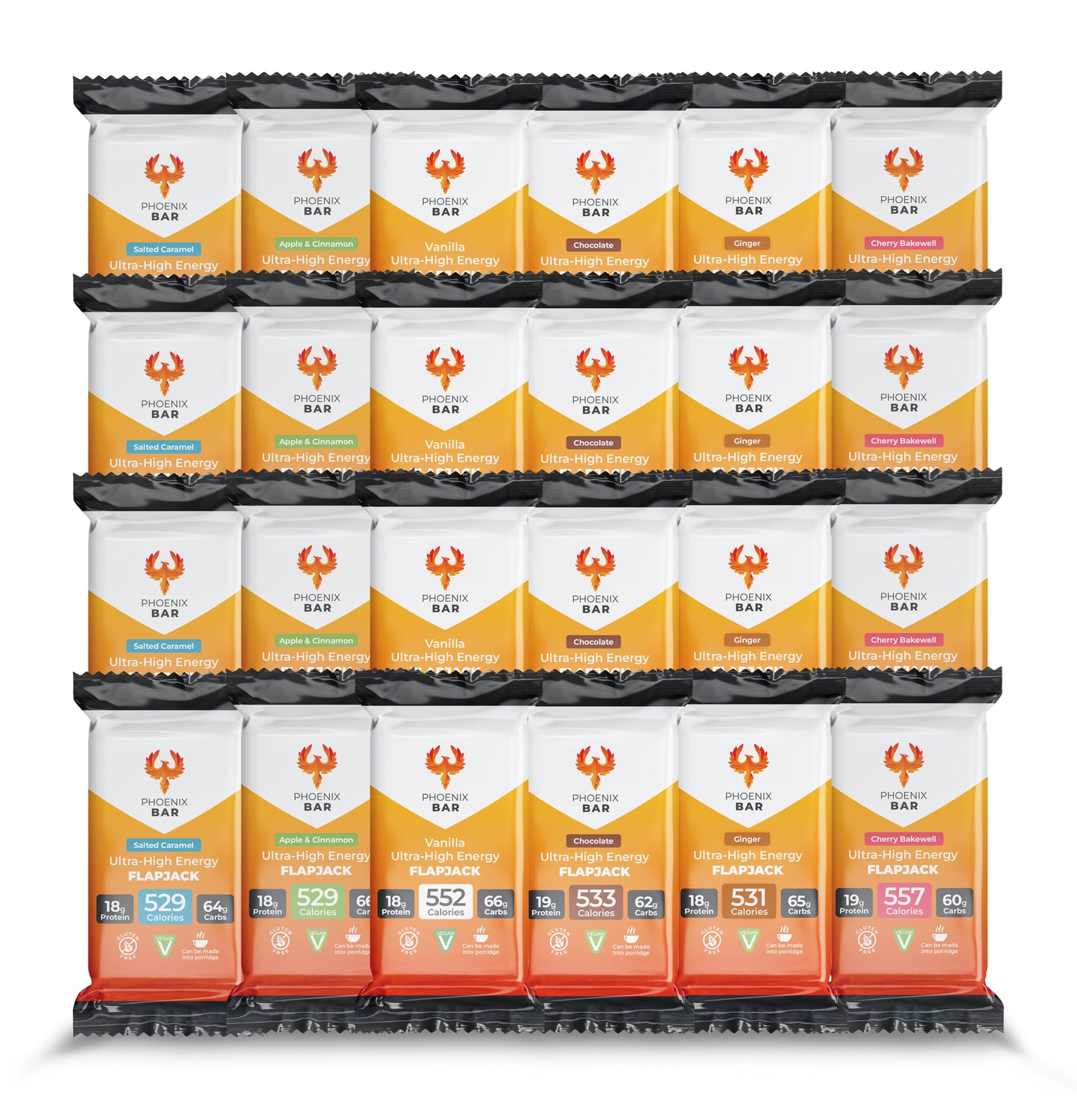
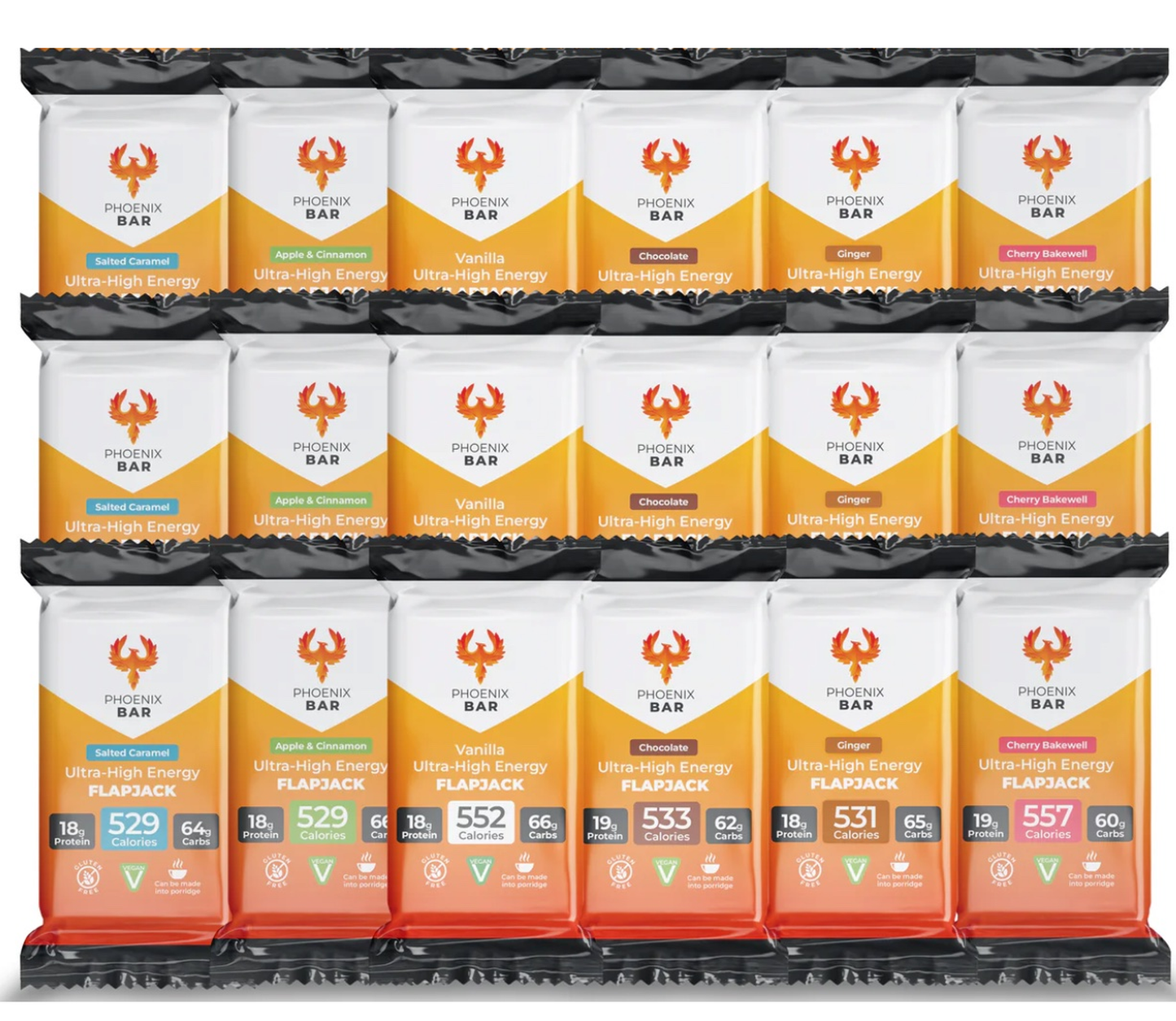
If you do have access to a kettle (and most wards, break rooms, and staff areas have one), you can make a surprisingly filling hot snack by mixing a calorie-dense bar with hot water to create a porridge or warm drink. This takes about two minutes and gives you something warm and substantial at 3am without needing a microwave or a full kitchen. Phoenix Bars are specifically designed to work this way, dissolving into a 557-calorie porridge with just hot water. It's one of the few options that gives you a hot meal on shift without any real preparation.
Cheese portions, boiled eggs (pre-made at home), and crackers are reliable standbys if you have even a basic cool bag.
Avoid heavy, fatty, or spicy food during the shift itself. Your stomach is already working against its natural rhythm. Rich food at 2am is more likely to cause heartburn, nausea, or that awful "lead in your stomach" feeling that makes the last few hours of a shift miserable.
After your shift: the wind-down meal
What you eat after your shift directly affects how well you sleep. Eat too much and you'll feel uncomfortable in bed. Eat nothing and you'll wake up after three hours, starving and unable to get back to sleep.
A light meal about an hour before you go to bed works best. Something with protein and some carbohydrate, but not a huge portion. Scrambled eggs on toast. Porridge with banana. A small bowl of pasta. Yoghurt with fruit and granola. The goal is to take the edge off hunger without overloading your digestive system.
Avoid caffeine for at least 4 to 6 hours before you plan to sleep. If you need a caffeine boost during the first half of your shift, that's fine. But coffee at 4am when you're finishing at 7am will sabotage your sleep.
The night shift snack problem (and how to fix it)
Research consistently shows that shift workers snack more frequently on night shifts than day shifts, and the snacks tend to be higher in sugar and saturated fat. This isn't because night workers have less discipline. It's because when your break is unpredictable and your options are a vending machine or whatever you brought from home, convenience wins every time.
The fix is pre-loading your bag with snacks that are genuinely convenient but also deliver real nutrition. Not just "healthy" snacks that happen to be low-calorie. On a night shift, you need calories. You're working. Your body is burning energy. The goal is getting enough calories without eating large volumes of food, not restricting intake.
A practical shift bag for a 12-hour night shift might contain: 2 to 3 substantial snacks (bars, nut butter sachets, trail mix), 1 to 2 pieces of fruit, a water bottle, and optionally a calorie-dense bar you can mix with hot water if you get access to a kettle. That's your safety net. If everything goes well and you get proper breaks, great, eat the food you brought. If the shift goes sideways and you get 10 minutes at 4am, you've still got something that takes 60 seconds to eat and keeps you going.

Phoenix Bars: Up to 557 Calories Per Bar
Ready to eat, nutritionally dense bars for people that don't have time to eat. Rated 5.0/5 from 344 reviews. £4.99 per bar.
Specific strategies by profession
Nurses and healthcare workers
Hospital shifts are unpredictable. You might get your scheduled break or you might not sit down for four hours. Food needs to be genuinely pocket-sized and edible on the move. Anything that requires utensils, a plate, or more than a couple of minutes is a gamble.
The ward kettle is your best friend. A hot drink at 3am does more for morale and energy than any amount of cold food. If you can turn that hot drink into a 557-calorie warm porridge with a single bar and some hot water, you've effectively had a meal in the time it takes to make a cup of tea.
Many nurses report that their appetite completely disappears during the middle of a night shift and returns aggressively at the end. If that's you, don't fight it. Eat lightly during the shift (a bar, some nuts, fruit) and have your proper meal before the shift and a light one after. Forcing yourself to eat a full meal when your body doesn't want food is counterproductive. Focus on calorie-dense foods that pack energy into small portions.
Emergency services and paramedics
You don't choose when your break happens. You might go 6 hours without stopping. Everything you eat needs to be truly grab-and-go: no wrappers that need two hands, no crumbs that go everywhere in the ambulance or car, no smells that fill a confined space.
Bars, nut butter sachets, and bananas are the practical core. Keep a stash in your bag rather than relying on what's available at the station, because you might not make it back to the station.
Warehouse, factory, and security workers
You're more likely to have a defined break time, but the food environment is still limited. The canteen (if there is one) is closed on nights. Vending machines are the default.
The advantage you have is predictability. If you know your break is at 1am, you can plan around it. A pre-made meal in a cool bag works if you have somewhere to store it. For the rest of the shift, keep shelf-stable snacks in your locker.
What about weight management on night shifts?
A lot of night shift nutrition advice is focused on preventing weight gain. That's a valid concern for some people, but it's not the whole picture. Plenty of shift workers actually struggle to eat enough because their appetite is disrupted, their schedule is chaotic, and by the time they've slept and dealt with life during the day, eating properly falls to the bottom of the list.
If you're losing weight unintentionally on night shifts, the priority is getting enough total calories, even if the timing isn't perfect. Calorie-dense snacks, full-fat options, and compact nutrition that doesn't require appetite are all more useful than low-calorie alternatives designed for people trying to eat less.
If you're gaining weight and want to manage it, the single biggest lever is reducing reliance on vending machines and takeaways by having your own food available. It's almost never about eating too much on shift. It's about the quality and type of food that's available at 3am.
The practical shopping list
Rather than a prescriptive meal plan (which falls apart the first time your shift pattern changes), here's a list of shelf-stable, no-prep items to keep stocked at home and rotate into your shift bag:
Nut butter sachets (single-serve, no fridge needed). Mixed nuts and trail mix (portion into small bags on your day off). Bananas and apples (the two most portable fresh options). Oat bars and flapjacks (check calories per bar and aim for substance, not "light" options). Cheese portions or mini Babybels (survive a few hours without a fridge). Dried fruit (compact, calorie-dense, no prep). Phoenix Bars (557 calories, shelf-stable for up to 2 years, eat whole or mix with hot water for porridge). Crackers and individual hummus pots. Dark chocolate (genuine energy, good for morale at 4am).
Common questions about night shift eating
Should I eat during the night shift or fast through it?
Some people try intermittent fasting on night shifts, eating only before and after. This can work for short shifts (8 hours) but is difficult to sustain across 12-hour shifts, especially physically demanding ones. Most research suggests that small, light eating during the shift is better for maintaining energy and blood sugar stability than complete fasting. The key is keeping portions small and avoiding heavy meals between midnight and 6am.
Why do I crave sugar at 3am?
Your blood sugar regulation is less effective at night because of circadian disruption. When your blood sugar dips, your body craves the fastest available energy source: sugar. The fix isn't willpower. It's preventing the dip in the first place by eating slow-release food (nuts, oats, protein) earlier in the shift, so your blood sugar stays more stable.
I have no appetite on nights. Should I force myself to eat?
Not full meals, no. But going an entire 12-hour shift on nothing will leave you depleted, irritable, and more likely to binge-eat after the shift. Even something small every few hours helps. When eating feels difficult, focus on calorie-dense options that deliver energy in small volumes rather than trying to force yourself through a plate of food you don't want.
What about energy drinks?
They work in the short term but create a crash-and-crave cycle. If you need caffeine, coffee or tea earlier in the shift is better. Avoid all caffeine in the last 4 to 6 hours before you plan to sleep. If you're reaching for energy drinks because you're not eating enough actual food, address the food problem first.
"As a young professional working in the city, I often struggle to find the time for breakfast or even to step away from my desk during the day. This makes it challenging to get convenient, high-calorie nutrition, especially since I engage in intense exercise most days. Phoenix Bars have been a game-changer for me — they're delicious, packed with ultra-high calories, and extremely nutrient-dense. They provide a convenient and portable source of nutrition that I can always have on hand, ensuring I never miss out on the energy I need, no matter how busy my day gets."
"I like Phoenix Bars because they are a really convenient way to consume a lot of calories when I don't have time to have a meal."


Flaming Phoenix
Share