
Meals for Elderly People: Easy, Nourishing Ideas for Every Day
The best meals for an older person are simple to make, easy and pleasant to eat, and nourishing without being enormous. As appetite softens with age, each meal matters a little more, so the aim is food that is appealing and comforting, sized to what someone will actually finish, and quietly generous with good nutrition. This guide has meal ideas across the day, lighter options for when a full plate is too much, and practical tips for cooking when it is just for one.
If you would rather not cook at all, meal delivery services exist and have their place. This page is for the times you want to make something simple at home.
What Makes a Good Meal for an Older Person
A good meal in later life does not need to be elaborate. It needs to be easy to prepare, because energy for cooking is often limited. It needs to be familiar and appealing, because well-liked food is eaten far more readily than something new. It needs to be the right size, because a large plate can put someone off before they start. And it needs to earn its place, because when someone is eating less overall, every meal should carry real nourishment rather than filling them up with very little.
Keep those four things in mind and almost any simple meal works.
Breakfast Ideas
Porridge made with whole milk, topped with mashed banana, a drizzle of honey and a spoon of nut butter, is warm, easy and genuinely nourishing. Soft scrambled or boiled eggs on well-buttered toast take minutes and add good protein. Full-fat Greek yoghurt with fruit, a little honey and a scatter of nuts or seeds is a no-cook option for slower mornings. And a small cooked breakfast, perhaps a single egg with beans and a grilled tomato, is a proper start when appetite allows. For more breakfast options, see our guide to a high calorie breakfast.
Lunch and Dinner Ideas
At lunch, a filling soup served with bread, butter and grated cheese turns a light bite into a proper meal. A jacket potato with cheese, beans or tuna is simple and satisfying, as is an egg or tuna mayonnaise sandwich, or an omelette with cheese and a little veg.
At dinner, comforting classics work best. Shepherd's or cottage pie with soft mash, a piece of fish such as salmon or cod with mash and vegetables, a simple chicken casserole or stew, pasta with a tomato or cheese sauce, a small roast, or a bean chilli or dhal with rice are all easy, familiar and nourishing. For heartier versions built for more calories, see our guides to a high calorie lunch and high calorie dinner.
Lighter Bites and Mini Meals
Some days a full meal is simply too much, and that is where smaller, more frequent bites come into their own. Rather than three large plates, several small nourishing things across the day often works far better and feels much less daunting. Think cheese and crackers, a boiled egg, a small bowl of soup, yoghurt with fruit, a slice of malt loaf with butter, hummus with warm pitta, a handful of nuts, or a small sandwich cut into quarters. Offered gently through the day, these mini meals can add up to as much as a full meal, without the pressure of one.
Cooking for One
Cooking for a single person is one of the real reasons meals get skipped, so the trick is to make it feel like less effort. Batch cooking helps enormously: make a stew, soup, cottage pie or curry in a larger quantity and freeze it in single portions, so a good meal is only a reheat away on a tired day. One-pan meals keep the washing up down. And a well-stocked store cupboard and freezer, with frozen vegetables, tinned fish, tinned beans and pre-cut veg, means a nourishing meal can always be pulled together quickly without a shop.
Making Meals Count When Appetite Is Small
When someone is only managing a little, the food they do eat should work as hard as possible. Cooking with whole milk rather than water, and adding butter, cheese, cream or a spoon of nut butter to everyday dishes, lifts the nourishment without adding bulk. Keeping protein up matters particularly in later life, as our guide to protein for older adults explains. If appetite has dropped off more noticeably, our carer's guide to nutrition for elderly people with low appetite and our guide to when an elderly person is not eating go into this in more depth. Above all, keep mealtimes relaxed, since there is no benefit in anyone feeling pressed to finish.

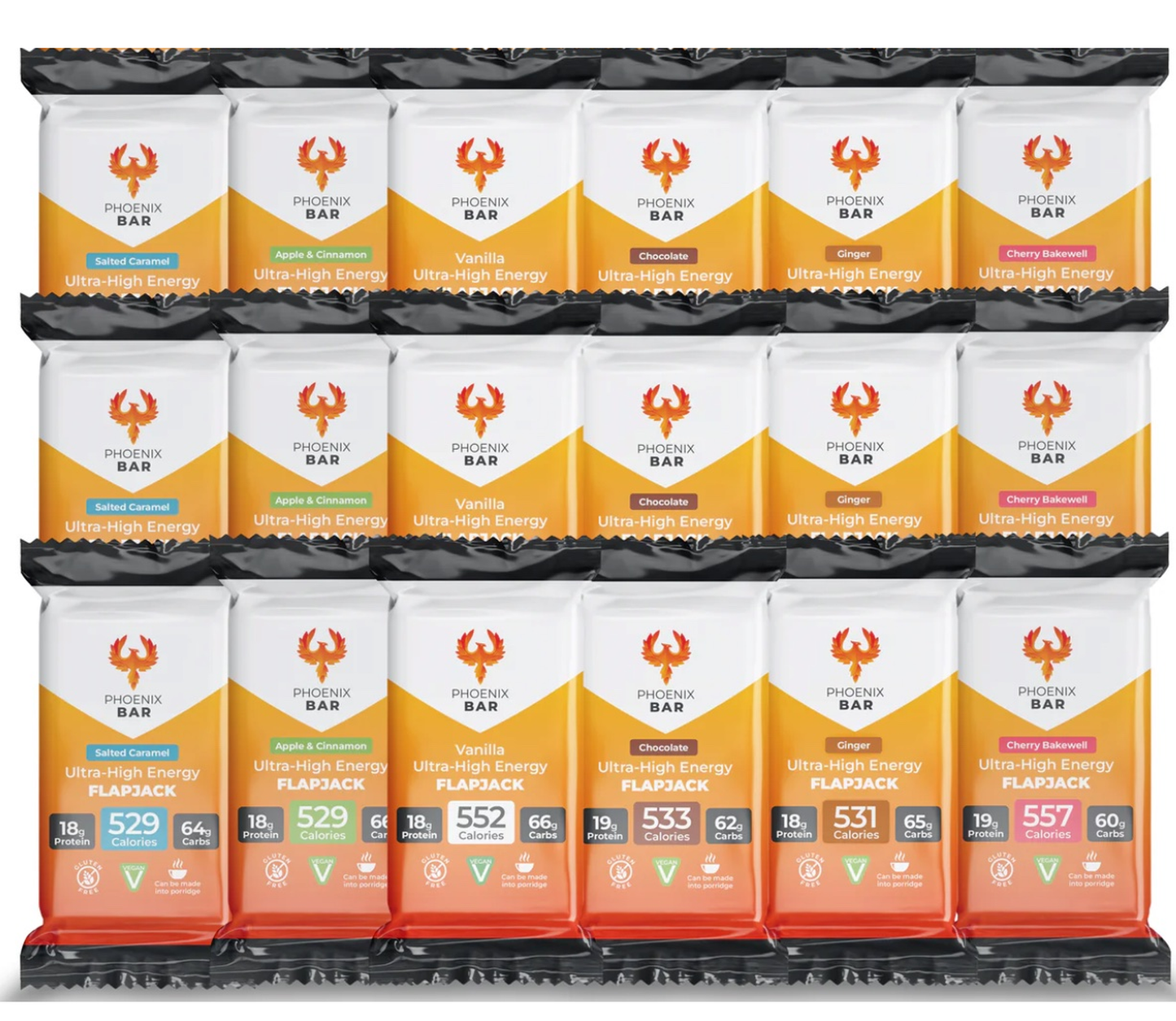
Phoenix Bars: Up to 557 Calories Per Bar
Highly compact, low-volume, calorie-dense bars. Soft, easy to eat whole or as a warm porridge. Vegan, gluten-free and contain up to 66g of carbohydrates, 19g of protein & 8 vitamins & minerals.
An Easy Option for Busier Days
For days when cooking is not going to happen, or as an easy nourishing addition to a small appetite, some people keep a Phoenix Bar to hand. It is a source of protein carrying around 19 grams and 557 calories in a soft, small format, and it can be eaten as it is or stirred into warm milk to make a quick porridge. It is a food, meant to sit alongside proper meals rather than replace them.
Frequently Asked Questions
What are good meals for elderly people?
Easy, familiar and nourishing ones: porridge, soups with bread and cheese, jacket potatoes, cottage pie, fish with mash, and simple casseroles. Sizing them to appetite and keeping them appealing matters as much as the recipe.
What can I cook for an elderly parent with a small appetite?
Smaller, nourishing portions, and lighter bites through the day rather than three big meals. Lean on favourites, and enrich dishes with butter, cheese, cream or milk so that small amounts still count.
What are easy meals for an elderly person living alone?
One-pan meals and batch-cooked portions frozen in singles work well, as do tinned and frozen shortcuts. Keeping simple building blocks in the cupboard and freezer means a good meal is always within reach.
What are mini meals for the elderly?
Several small, nourishing bites offered across the day instead of large meals. They suit a smaller appetite and feel far less daunting than a full plate, while still adding up to a good amount of food.
How do you make meals more nourishing for older adults?
Add calorie and protein-dense ingredients such as cheese, butter, cream, whole milk, nut butter, eggs and fish, without increasing the portion size. This keeps nourishment up when appetite is down.
Written by James Frost, founder of Flaming Phoenix. James started Flaming Phoenix in 2024 and has spent the years since working out how to get the most nourishment into the smallest amount of food, building and testing simple, calorie-dense recipes with input from over 2,100 customer orders, many from families cooking for an older relative. He can be reached at jfrost@flaming-phoenix.co.uk. Last reviewed: July 2026.


Flaming Phoenix



Contact Us
Soumettre une demande de rétractation
Veuillez remplir le formulaire suivant pour soumettre votre demande de rétractation.

