

Bulking Meals: 12 Meals with the Calories and Protein Counted
In this guide

 Written by James Frost, founder of Flaming Phoenix. Updated October 2026: every meal recounted from UK food tables, with checked Tesco prices for the cheapest ones.
Quick answer: A bulking meal has to clear two numbers at once: 700 to 1,100 calories for the surplus and 30 to 50g of protein to build muscle. Protein oats (788 calories, 48g protein), a four-egg omelette with cheese and toast (935, 53g), chilli con carne with rice (949, 58g) and tuna pasta (724, 39g) all clear both.
This page is the plates. Which foods to build them from, ranked, is in the best high calorie foods for bulking; the ingredients that bring both numbers are in the guide to foods high in both calories and protein; and your daily target is worked out in how many calories you need to gain weight.
How the numbers were worked out: every ingredient uses McCance and Widdowson's CoFID 2021 values at the weight shown (meat, fish and rice weighed cooked, oats and pasta weighed dry), except whole milk, sweetcorn and whey, which use the product labels on Tesco.com. Totals come from unrounded figures, so the parts may not add up exactly.
What makes a meal a bulking meal?
A bulking meal carries enough calories to keep you in a surplus and enough protein to turn that surplus into muscle, checked together. The calorie floor comes from your surplus: most people gain steadily on 300 to 500 calories above maintenance, the range the NHS gives for healthy weight gain, and our guide on eating in a calorie surplus without obsessing covers how to hold it. Spread over three or four main meals and a snack, that puts each main meal at 700 to 1,100 calories.
The protein floor comes from Schoenfeld and Aragon's 2018 review in the Journal of the International Society of Sports Nutrition, which suggests about 0.4g of protein per kilo of bodyweight per meal, across at least four meals. That is 30 to 50g a meal for most people and at least 1.6g per kilo a day. The protein calculator for weight gain gives your own figure. A meal that hits one number and misses the other is only doing half its job.
What are the best bulking breakfasts?
The best bulking breakfasts load 800 to 950 calories and close to 50g of protein before you leave the house, which takes pressure off every meal after it.
Protein oats, about 788 calories and 48g of protein. 80g of oats (305 calories, 9g protein), 300ml of whole milk (198, 11g), a 30g scoop of whey stirred in off the heat (113, 24g), a banana of about 100g peeled (81, 1g) and 15g of peanut butter (91, 3g). The bodybuilding classic for a reason, and the density tricks that stop it becoming a bucket of food live in our high calorie porridge guide.
The four-egg omelette stack, about 935 calories and 53g of protein. Four large eggs, about 230g out of the shell (301, 29g), with 40g of mature cheddar folded through (166, 10g), cooked in 10g of butter (74), two thick slices of toast, about 70g (187, 7g), with another 10g of butter (74), and a 200ml glass of whole milk (132, 7g). One pan, and the strongest protein per minute on this page.
Breakfast burritos, about 881 calories and 53g of protein each. Two large tortillas, about 125g (356, 10g), three large eggs scrambled, about 170g (258, 25g), 40g of cheddar (166, 10g) and 100g of drained kidney beans (100, 9g). Black beans work too. Make eight on Sunday, wrap and freeze them, and microwave from frozen. More morning structures in high calorie breakfast.
What are good bulking lunches you can batch-prep?
Good bulking lunches are meals that hold 700 to 950 calories and survive a day in a lunchbox: chicken thighs with rice, chilli con carne and tuna pasta all do.
Teriyaki-style chicken thigh and rice, about 855 calories and 56g of protein. 180g of cooked chicken thigh meat (324, 46g), 250g of cooked rice (328, 7g), 80g of broccoli (22, 3g), a tablespoon of oil in the pan (126) and 15ml of soy sauce with 15g of honey as the teriyaki (55, 1g). Thighs, not breast: they carry more calories and stay moist when reheated.
Chilli con carne, about 949 calories and 58g of protein. 150g of cooked standard beef mince (314, 33g), 100g of kidney beans (100, 9g), 200g of chopped tomatoes (38, 2g), 250g of cooked rice (328, 7g), 30g of cheddar on top (125, 8g) and a teaspoon of oil (45). Standard mince is deliberate here: swapping to extra-lean removes about 108 calories a portion, which on a bulk is the wrong direction.
Tuna pasta, about 724 calories and 39g of protein. 100g of dry pasta (343, 11g), a tin of tuna in brine, 102g drained (111, 25g), 30g of mayonnaise (206) and 80g of sweetcorn (64, 2g). It works hot or cold, which makes it the best packed lunch here, and at £1.11 a portion it is one of the two cheapest meals here (the sums are further down).
One rule for batch-prep: cook the chicken and the chilli in bulk and freeze them in portions, but cook rice every day or two. Food Standards Scotland advises cooling cooked rice within about an hour, keeping it in the fridge for no more than 24 hours and never reheating it more than once. Carry packed lunches in a cool bag.
What are the best bulking dinners?
The best bulking dinners are the biggest plates of the day, 950 to 1,350 calories, because dinner is the meal most people can eat slowly and in volume.
Steak night, about 1,069 calories and 69g of protein. A 200g rump steak, fried, weighed cooked (456, 57g), 300g of potatoes roasted in oil (483, 8g) and 80g of peas (56, 4g) finished with 10g of butter (74).
Salmon rice bowl, about 972 calories and 56g of protein. A 150g baked salmon fillet (348, 38g), 250g of cooked rice (328, 7g), 80g of edamame (114, 10g), half an avocado, about 75g (128, 1g), and soy sauce with honey (55, 1g).
Fajita night, about 1,326 calories and 80g of protein. Three large tortillas, about 186g (530, 15g), 200g of cooked chicken thigh meat (360, 51g) fried in a tablespoon of oil (126), 40g of cheddar (166, 10g), 60g of guacamole (77, 1g) and 50g of Greek-style yoghurt in place of soured cream (66, 3g). The biggest numbers on the page, built for training days.
Which snacks work as bulking meals?
A snack counts as a bulking meal when it brings 450 calories or more with little effort; these three fill the gaps where bulks usually fail.
The bulking shake, about 831 calories and 52g of protein. 400ml of whole milk (264, 14g), a 30g scoop of whey (113, 24g), 50g of oats (190, 6g), a banana (81, 1g) and 30g of peanut butter (182, 7g). Drinks are easier to get down than another plate when you are already full, which is why most bulks lean on one of these; more builds in homemade weight gainer shakes.
The Greek yoghurt bowl, about 489 calories and 15g of protein. 200g of Greek-style yoghurt (266, 11g), 40g of granola (180, 3g) and 15g of honey (43). The lightest slot on the page; stir 15g of whey through it for another 57 calories and 12g of protein. More ideas in high calorie snacks.
The pocket slot, up to 932 calories and up to 39g of protein. One Phoenix Bar, up to 557 calories and up to 19g of protein in only 120g, with a pint of whole milk (375, 20g). Full disclosure, the bar is ours, and it is a calorie food that happens to carry useful protein. It fills the slot where bulks fall apart, the 3pm gap, the commute, the hour after work, when nobody is cooking chicken thighs, and it is vegan and gluten-free. For how it compares with other bars, see our ranking of the best energy bars for weight gain.
What are the easiest bulking meals?
The easiest bulking meals need one pan or none: the shake needs only a blender, the protein oats a microwave, tuna pasta one pan, and the pocket slot nothing at all. If cooking is what stops you, run those four on repeat and keep the steak and fajitas for weekends.
How do you build a bulking day from these meals?
Pick meals that add up to 10 to 20% above your maintenance calories, the surplus range in Iraki and colleagues' 2019 review for lifters, and check the protein lands between 1.6 and 2.2g per kilo.
Here is the working for an 85kg lifter who maintains on 2,800 calories (the bulking calculator will estimate yours):
- Target: 10 to 20% above 2,800 is 3,080 to 3,360 calories, with 136 to 187g of protein.
- Breakfast, the omelette stack: 935 calories, 53g protein.
- Lunch, chicken thigh and rice: 855 calories, 56g protein.
- Mid-afternoon, the yoghurt bowl: 489 calories, 15g protein.
- Dinner, the salmon bowl: 972 calories, 56g protein.
- Total: 3,251 calories and 181g of protein, or 2.1g per kilo.
On a day out of the house, swap lunch for the pocket slot and the day still lands at 3,328 calories and 163g of protein. Scale the same structure up or down; a full worked week at higher intakes lives in the 4,000 calorie meal plan.
What are the cheapest bulking meals?
The cheapest meals on this page are tuna pasta at about £1.11 a portion and the protein oats at about 82p if you use dried skimmed milk instead of whey, on Tesco prices checked October 2026.
The working for the tuna pasta:
- 100g from a £1.19 kilo bag of Tesco fusilli: 12p
- One tin from a £2.49 four-pack of Tesco tuna chunks in brine: 62p
- 30g from a £2.75, 400g jar of Hellmann's Real Mayonnaise: 21p
- 80g from a 53p tin of Tesco sweetcorn (260g drained): 16p
For the oats, the whey is the expensive part: a 30g scoop from a £32, 450g tub of Optimum Nutrition Gold Standard Whey at Tesco costs £2.13 on its own, taking the bowl to about £2.65. Swap it for 30g of dried skimmed milk (£3.50 for 340g) and the bowl costs about 82p for 779 calories and 35g of protein. The other staples on this page, oats, rice, pasta, eggs, whole milk and peanut butter, are among the cheapest calories in the supermarket. For more, see cheap high calorie foods, ranked by pence per calorie, and the priced weight gain shopping list.
What if your appetite is the limit?
Most stalled bulks stall on fullness: people know what to eat but cannot face more of it. If you have been eating big for weeks while the scale sits still, our guide on why you can't gain weight walks through the usual causes.
The fixes that work: put a shake or the pocket slot where a fourth plate keeps failing, build meals from high calorie low volume foods so the plate shrinks while the numbers hold, and don't fill up on drinks before you eat, which the NHS also advises against when gaining weight. Appetite is the problem I built Phoenix Bars around, after about 150 conversations with endurance athletes, expedition people and people who struggle to eat enough. If you are bulking on a plant-based diet, the same two-number rule applies with different tools: high calorie vegan foods and how to gain weight on a vegan diet cover the swaps, and our high calorie protein bars fit unchanged since they are vegan already.
Frequently asked questions
How many calories should a bulking meal have? 700 to 1,100 for a main meal, for most people. Three or four of those plus a snack is enough for most lifters to land 300 to 500 calories above maintenance. Smaller meals only work if there are more of them, which is usually harder, not easier.
How much protein should a bulking meal have? Around 0.4g per kilo of bodyweight per meal, across at least four meals, as Schoenfeld and Aragon suggest. That is 30 to 50g for most people, and it adds up to at least 1.6g per kilo across the day, the lower end of the 1.6 to 2.2g range in the Iraki review.
How many meals a day is best for bulking? Four to five sittings suits most people: big enough to matter, frequent enough that no single meal has to be heroic. Four meals of about 800 calories already reach 3,200. Three giant meals work for some; six small ones mostly create washing up.
Is 3,000 calories a day a bulk? It is if you maintain on roughly 2,500 to 2,700 calories, because 3,000 is then 10 to 20% above maintenance, the surplus the Iraki review suggests for lifters. If you already maintain on 3,000, it is simply maintenance. The bulking calculator estimates yours.
Do bulking meals need to be clean? The surplus drives the gain either way, but meals built mostly from whole foods digest better, keep your appetite workable and make the bulk last past week three, which junk-heavy bulking rarely does. The dirty bulking guide covers the trade-offs.
Sources
Schoenfeld BJ, Aragon AA. How much protein can the body use in a single meal for muscle-building? Journal of the International Society of Sports Nutrition, 2018. Iraki J and colleagues. Nutrition recommendations for bodybuilders in the off-season: a narrative review. Sports, 2019. Public Health England: McCance and Widdowson's Composition of Foods Integrated Dataset, 2021. NHS: Healthy ways to gain weight. Food Standards Scotland: Rice. Tesco.com product pages for the prices and label values quoted, checked 19 October 2026.
Big calories. Small bar.
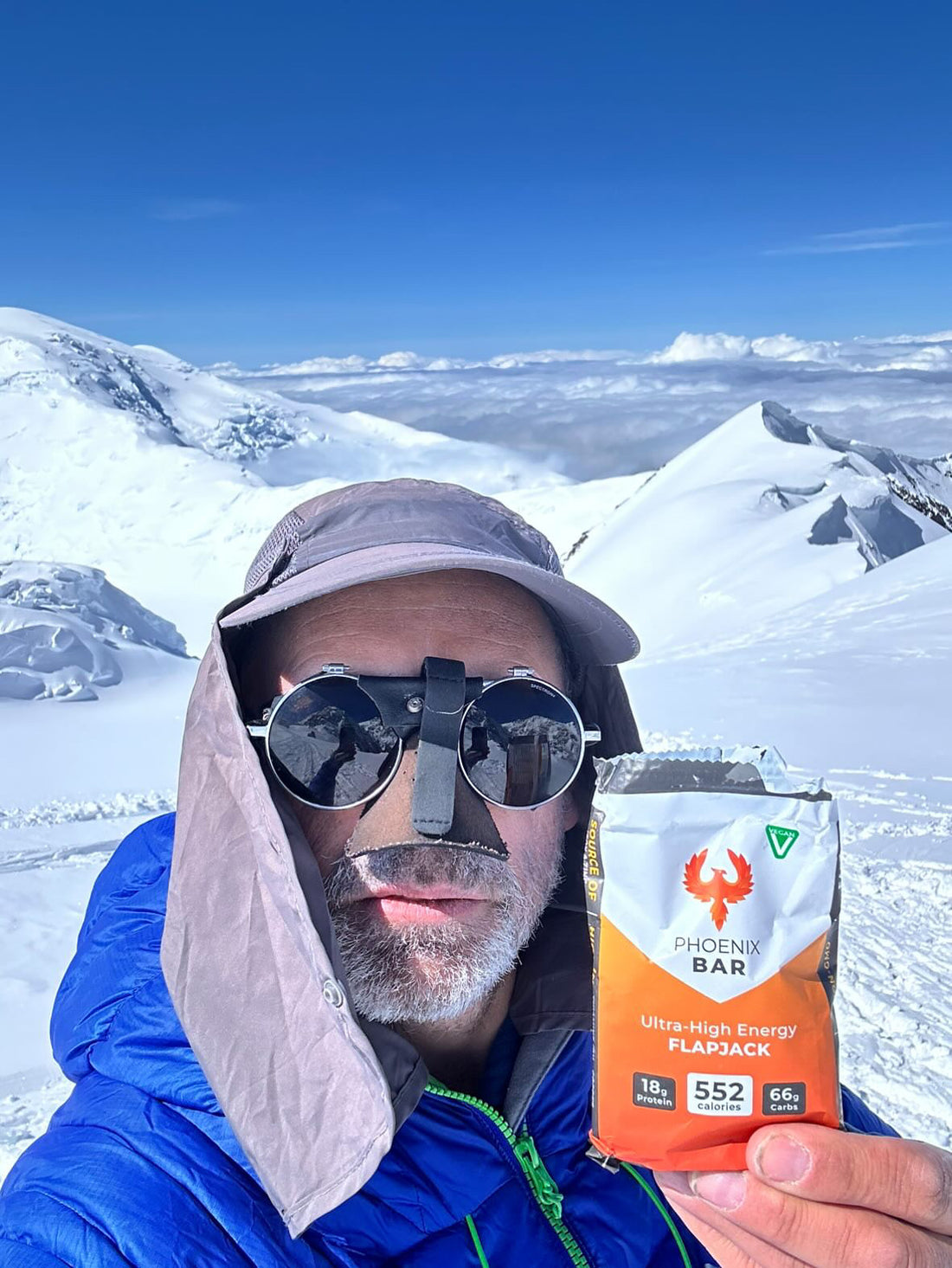
Up to 557 calories in a compact, lightweight bar of only 120g, with up to 66g of carbs and 19g of protein. Eat it whole, break it into pieces over a few hours, or mix it with water or milk for porridge.
Easy to eat, easy to digest and not sickly sweet. Customers have eaten them at -45°C and through the heat of the Marathon des Sables, and they keep for up to 2 years, so they work on a mountain, on a night shift, or at home on days when eating enough feels hard.
- 557 calories in only 120g (529 to 557 by flavour)
- 4.6 calories per gram
- 66g carbs per bar (up to)
- 19g protein per bar (up to)
Declare withdrawal
Please fill out the following form to declare your withdrawal from the contract.

