
High Calorie Foods for Fussy Eaters Who Want to Bulk
If you are a fussy eater trying to gain weight, the answer is not new foods. It is denser versions of the foods you already eat. Add fat to the plain meals you like, swap to full-fat versions, and blend calories into drinks you already enjoy, so the same familiar foods carry far more calories without changing how they taste or look.
Most weight-gain advice assumes you will happily eat anything if there is enough of it. For a fussy eater that is the wrong starting point. Your problem is not appetite or effort, it is range. You have a fixed set of foods you are comfortable with, and the usual answer of "just add more variety" does not work, because the variety is exactly the part you do not want.
So the whole game is making the foods already on your list do more, rather than trying to lengthen the list. After years of working with people trying to eat more, I can tell you that is not only easier, it is more reliable, because you are never fighting your own preferences.
Why bulking is harder for a fussy eater
Because a narrow set of accepted foods usually skews towards the lower-calorie, plainer end: dry toast, plain pasta, cereal, plain chicken, rice. None of these is dense on its own, and the obvious fixes, rich sauces, mixed dishes, strong flavours, are often the things a fussy eater rejects.
The trap people fall into is trying to force new foods in, getting nowhere, and assuming they cannot gain. You can. You just have to add the calories in a way that does not trip the things that put you off in the first place.
What fussy eaters will usually accept, and what they won't
This is the part most pages miss, and it is the key to the whole thing. The changes a fussy eater tolerates follow a pattern.
Usually accepted, because they barely change the food:
- Extra fat cooked in, like more oil or butter in the pan, which adds calories without changing how the finished food looks.
- Full-fat swaps, like whole milk instead of semi-skimmed, or full-fat yoghurt instead of low-fat. Same food, same taste, more calories.
- Invisible add-ins, like dried milk powder stirred into milk, or oil blended into a shake, where there is no visible or textural change.
- A thicker version of something you already eat, like a heavier spread of butter and peanut butter on the toast you have anyway.
Usually rejected, because they change the experience:
- New or unfamiliar foods.
- Visible sauces, or "bits" in otherwise smooth food.
- Strong or unfamiliar flavours.
- Mixed textures on the plate.
The strategy writes itself from there: make changes that sit in the first list, and avoid anything in the second.
Calorie-dense versions of fussy-eater staples
Take the plain foods most fussy eaters are comfortable with and make each one denser without turning it into a different food.
Toast. Two thick slices of white or sourdough are about 280 calories. A proper layer of butter adds around 110, and a tablespoon of peanut butter another 95. That is a 500-calorie plate built from toast you were eating anyway.
Plain pasta. Toss it in a tablespoon of olive oil (about 120 calories) and a knob of butter before anything else, then stir through 30g of grated cheese (about 125). No sauce, no bits, just a denser version of plain buttered pasta.
Plain chicken or meat. Cook it in more oil or butter rather than dry, and choose the darker cuts, which are higher in calories. The food looks the same on the plate.
Rice and potatoes. Stir butter or oil through rice, and add butter and a little grated cheese to mash. Both disappear into the food without changing the texture much.
Cereal. Use whole milk instead of semi-skimmed for roughly 40 more calories a bowl, stir in dried milk powder, and add a handful of granola if you like the crunch.
Crackers, oatcakes and plain biscuits. Top crackers with butter and thickly sliced or grated cheese. A flapjack, if that is on your list, is around 250 to 350 calories on its own.
The point is that none of these asks you to eat something new. For a fuller list of dense foods to draw from, see calorie-dense foods.

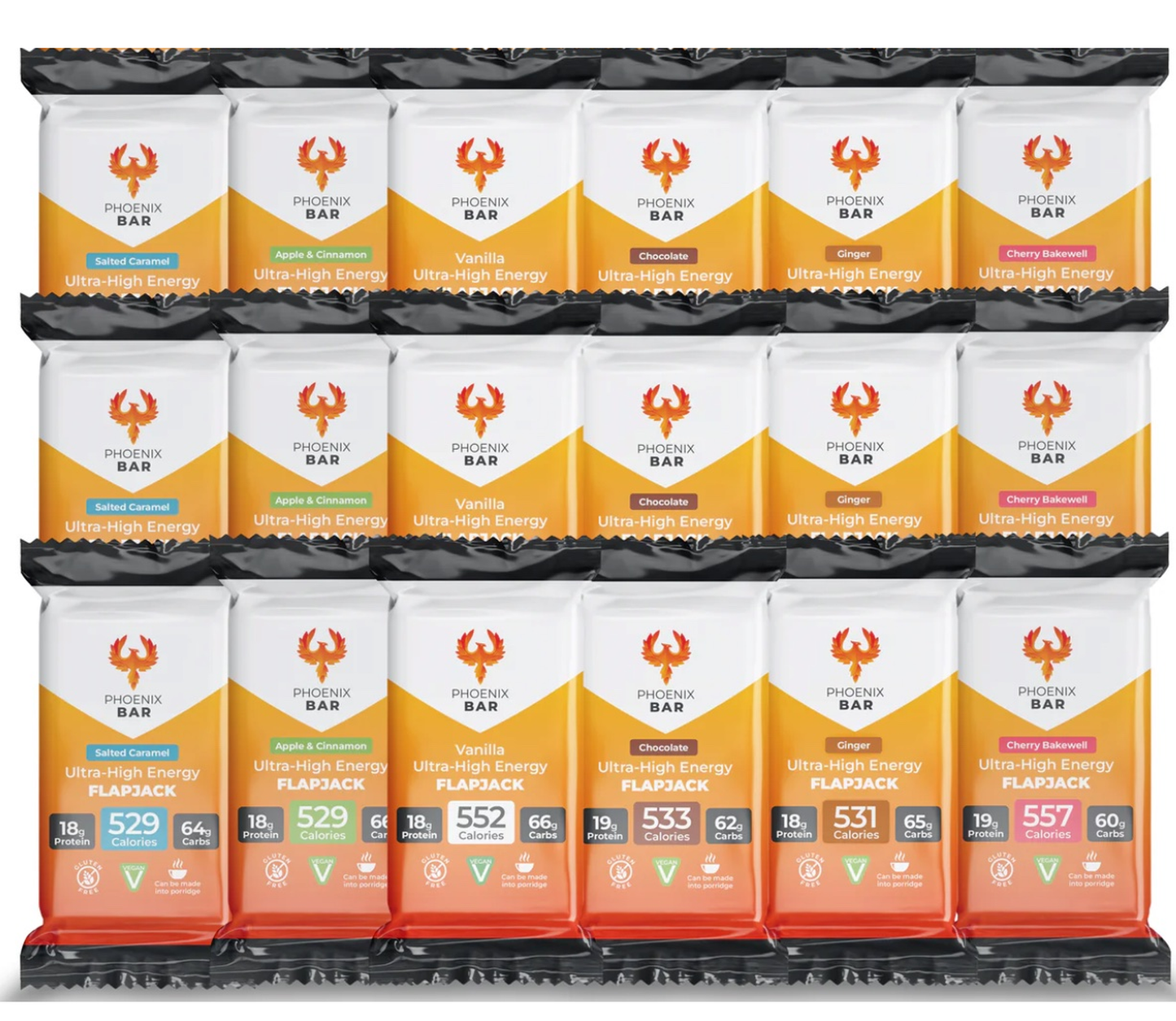
Phoenix Bars: Up to 557 Calories Per Bar
Highly compact, low-volume, calorie-dense bars. Soft, easy to eat whole or as a warm porridge. Vegan, gluten-free and contain up to 66g of carbohydrates, 19g of protein & 8 vitamins & minerals.
The invisible calories trick
If you take one idea from this page, make it this: add the calories that cannot be seen or tasted.
Oil is the best example. A tablespoon of a mild oil like rapeseed or light olive oil is about 120 calories, and stirred into cooking or even over a plain food it changes very little about the taste or texture. Full-fat swaps are next, same food, more calories, no flavour change. And dried milk powder, four heaped tablespoons stirred into a pint of whole milk, adds roughly 200 calories that you can then use all day in cereal, drinks and mash without noticing.
Drinks are the fussy eater's best friend, because a familiar milkshake hides a lot. If you are happy with a chocolate milkshake, you will usually accept oats, peanut butter and banana blended into it, which can turn a 200-calorie drink into a 600-calorie one with no change to how it tastes. See high calorie drinks and smoothies for recipes.
Where this gets you, and where it stops
This will lift your daily calories a long way without broadening your diet, which for most fussy eaters is the whole battle. But a narrow palate does set a ceiling, and past a point the general rules of gaining weight take over: you need to be in a calorie surplus, consistently, week after week.
That side of it is covered elsewhere, and the same friction-removal thinking applies. See easy ways to eat more caloriesfor the practical tactics, how to eat in a calorie surplus for the maths, and bulking for the gym-focused version.
A fixed option for the days nothing appeals
Fussy eaters value two things in a food: it is familiar, and it is the same every time. That is worth building into your day with at least one fixed, no-decision option you know works.
This is one place the product fits. Each of our high calorie bars is up to 557 calories in a 120g bar, it comes in familiar flavours including Chocolate, Salted Caramel, Vanilla and Apple and Cinnamon, and it is the same every single time, with no preparation and no surprises. It is vegan and gluten-free, and the same bar can be stirred into hot milk to make porridge if you prefer it warm. You can see the range of high calorie bars on the homepage.
Frequently asked questions
How can a fussy eater gain weight?
By making the foods you already eat more calorie-dense, rather than adding new ones. Cook with more fat, switch to full-fat versions, add invisible calories like oil and milk powder, and blend extras into a familiar shake. This lifts your intake without broadening a limited diet.
What high calorie foods will fussy eaters actually eat?
Usually the plainer, familiar ones: buttered toast, buttered pasta, cheese, rice, potatoes, cereal with whole milk, flapjacks and milkshakes. The trick is not finding new foods but making these denser, by adding fat and full-fat dairy in ways that do not change how they look or taste.
How do I add calories to food without changing the taste?
Use mild oil, full-fat swaps and dried milk powder. A tablespoon of light oil adds about 120 calories with little flavour change, whole milk instead of semi-skimmed adds calories with no change, and milk powder stirred into milk is undetectable. Blending extras into a milkshake hides them completely.
Can you bulk if you are a picky eater?
Yes. A narrow palate makes it harder, not impossible. Focus on calorie density within your accepted foods, lean heavily on drinks and invisible add-ins, and keep your intake consistent. Gaining weight comes down to a steady calorie surplus, which you can reach without eating a wide range of foods.
What are good high calorie options for a limited diet?
Oil, butter, full-fat dairy, cheese, nut butter, dried milk powder and calorie-dense drinks all add a lot without needing variety. Build around a few staples you are comfortable with, make each denser, and add one or two fixed, no-prep options for days when nothing appeals.
Related guides
For the practical tactics, see easy ways to eat more calories. For the mechanism, see how to eat in a calorie surplus and how to gain weight. For the foods to build on, see calorie-dense foods. For the porridge method, see how to use Phoenix Bars.
Written by James Frost, Founder of Flaming Phoenix. James started Flaming Phoenix in 2024 and has spent the years since working out how to get the most calories into the least food, building and testing compact, calorie-dense recipes. He can be reached at jfrost@flaming-phoenix.co.uk. Last reviewed: June 2026.


Flaming Phoenix



Contact Us
Declare withdrawal
Please fill out the following form to declare your withdrawal from the contract.

