
Mountain Rescue and Search and Rescue Nutrition: Fuelling a Callout
A callout is unplanned and open-ended, so the food a rescue team member relies on has to already be packed in the callout bag, give a lot of energy for very little weight, last for months unopened, and be easy to eat one-handed in the cold while working. The real problem is not planning meals. It is having reliable energy you can grab on the way out of the door and eat on the move, with no idea whether you will be home in two hours or at first light.
Why callout nutrition is its own problem
Expedition food is planned. You know the route, the number of days, and roughly what each day demands, and you pack accordingly. A callout is the opposite. The alert comes by text or phone, often in the middle of a meal or out of a deep sleep, and you leave at once. You do not know the terrain you will end up on, how long the search will run, or when you will get back. That changes what good food looks like. It has to live ready-packed in the bag for whenever the call comes, carry enough energy to cover a shift of unknown length, and be edible while you are actually working a search line or helping move a casualty, not sat down at a rest stop. The same readiness thinking underpins all emergency food preparedness, but a rescue callout adds the demand of hard physical work in poor conditions on top.
What the callout bag needs from its food
The food in a callout bag has to do four things at once: last a long time unopened so it is always ready, pack a lot of energy into very little weight and space, survive cold without becoming impossible to eat, and go down easily while you are on the move. Anything that needs preparation, spoils quickly, or has to be eaten sitting down fails the test, because a callout rarely gives you the time or the conditions for any of those.
Shelf life is the part people underrate. A callout bag sits packed and untouched for weeks or months between shouts, so anything in it needs to keep without thinking about it. This is where a long-life, sealed food earns its place over fresh items you have to remember to replace. As a reference point, a high-calorie Phoenix Bar has a two-year shelf life, which means it can live in the bag and still be good whenever the call finally comes.
The energy a callout demands
A callout is physically hard work. Carrying a full rescue pack over rough ground in the dark, moving as part of a stretcher team, walking long search lines for hours, and doing it in cold and wet all add up to a high and sustained energy demand, often after you have already been on your feet at work all day. The aim is steady, reliable energy across an unpredictable shift rather than a single big meal you will not have time to eat. Food that delivers a lot of energy per gram is what makes that possible without adding weight to a bag already full of rescue kit. The principle is covered in more depth in this guide to calorie-dense foods, and it matters as much here as it does for any high-altitude mountaineering day.
Because callouts so often run through the night, the same fuelling logic as night shift nutrition applies: steady energy in the small hours, when both the body and the temperature are at their lowest, keeps you alert and effective when it matters most.
Food that works in the cold
Cold is the detail that catches a lot of standard kit out. Many energy bars and snacks harden or freeze solid on a winter hill, which makes them difficult or impossible to eat exactly when you need the energy most. Food that stays soft enough to eat in the cold is genuinely useful on a night callout. Phoenix Bars use a coconut oil base that does not freeze hard at low temperatures, so they stay edible when a frozen standard bar will not. And when there is a chance to brew up at a rest point or back at the vehicle, the same bar can be stirred into hot water to make a high-calorie porridge, which does as much for warmth and morale as it does for energy. The method is set out in how to make a Phoenix Bar into porridge.

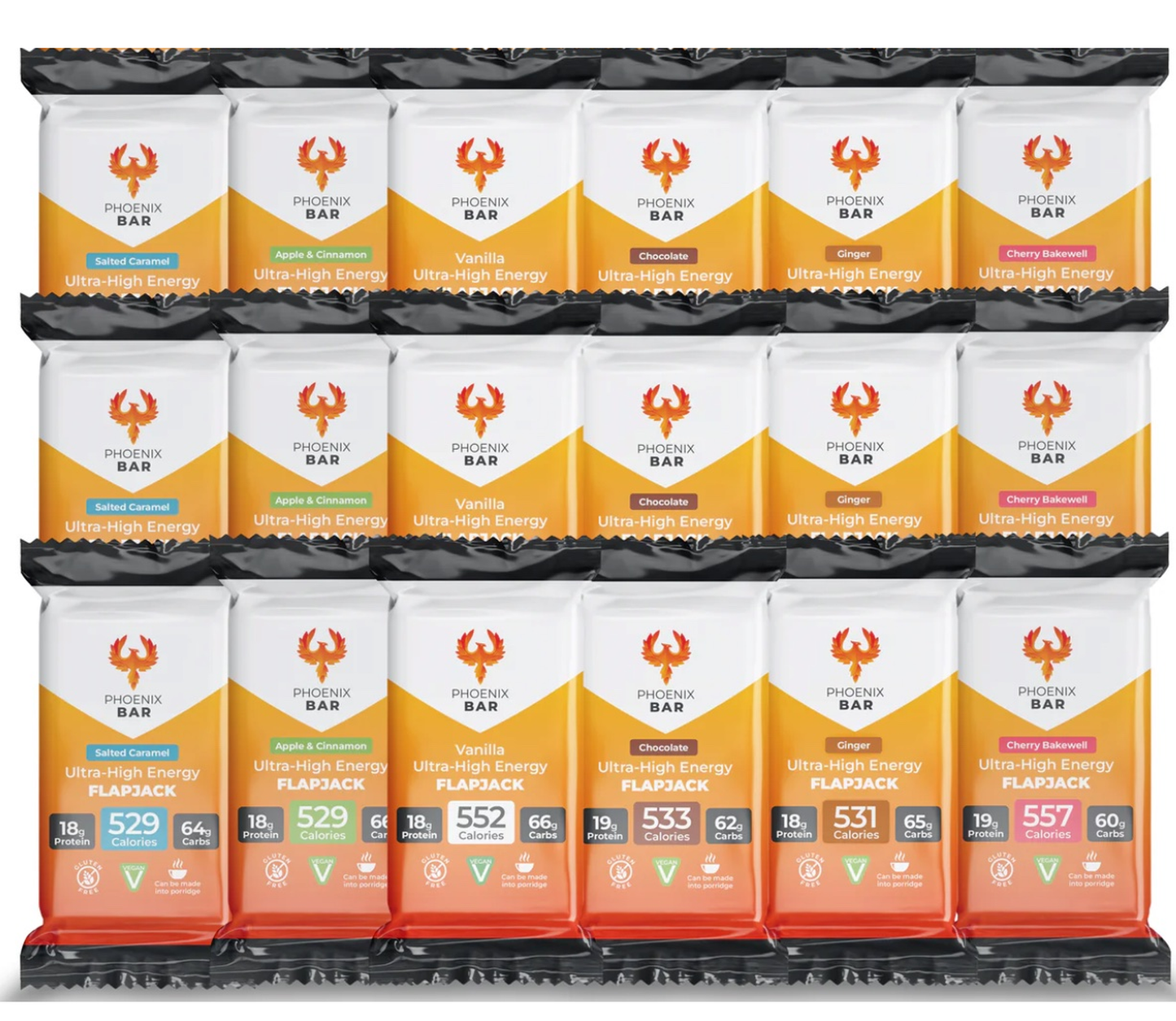
Phoenix Bars: Up to 557 Calories Per Bar
Soft, easy to eat whole or as a warm porridge. Low volume, two-year shelf life.
Eating while you work
On a real callout you eat standing up, one-handed, often without breaking from the task. That rules out anything fiddly. Food you can take out of a pocket and eat without stopping, like bars, nuts and dried fruit, is what actually gets eaten, which is why simple, accessible high-calorie snacks matter more than an elaborate meal you will never get the chance to prepare. Keep the easy stuff somewhere you can reach without taking the pack off.
The interrupted meal, and the long shout
Two things make rescue work harder on the body than a normal day out. You often start the shift having left a meal half-eaten, so you may already be short of fuel before you begin. And the shift has no fixed end, so the food you carry has to cover the possibility of a long night, not just the hour you expect. Carrying a couple of calorie-dense items in reserve, on top of your usual snacks, covers the callout that turns into an all-nighter without weighing you down on the one that does not.
Where Phoenix Bars fit
To be straight about it, most of what a team member carries comes down to personal preference, and that is exactly as it should be. Where Phoenix Bars suit this particular job is the combination the callout bag asks for: up to 557 calories in a 120 gram bar so the energy is there without the weight, a two-year shelf life so they sit ready in the bag for months, a coconut oil base that stays edible in the cold, and the option to eat them as a bar on the move or make them into porridge with hot or cold water at a rest point. They are also vegan and gluten-free, which means a single option covers any team member regardless of diet. The Starter bundle is a simple way to try them, and the Essential bundle keeps a callout bag and a kitchen drawer stocked.
For teams and kit organisers
If you are pulling together food for a whole team rather than a personal bag, the priorities shift toward shelf life, dietary coverage across a mixed group, and predictable energy that does not depend on anyone preparing anything. Our high-calorie nutrition bars come in bundles suited to that, and we can arrange bulk supply for rescue teams and other emergency and outdoor organisations. Get in touch through the contact page to discuss it.
Frequently asked questions
What food should you carry on a mountain rescue callout? Food that is ready-packed, calorie-dense, long-life and easy to eat on the move. In practice that means bars, nuts, dried fruit and similar grab-and-go items that need no preparation, with a couple of high-energy items held in reserve in case the callout runs long.
How much food should you take on a callout? More than you expect to need, because the duration is unpredictable. Carry your usual snacks for the shift you anticipate, plus a calorie-dense reserve that would cover an unplanned all-nighter, kept light enough not to add meaningful weight to a pack already full of rescue equipment.
What food works in the cold on a winter callout? Food that stays soft enough to eat when frozen, since many standard bars harden in low temperatures. Items with a fat base that resists freezing stay edible, and anything that can be turned into a warm drink or porridge at a rest point adds welcome heat as well as energy.
What is the best food to keep in a callout bag long term? Sealed, long-life food that you do not have to remember to replace. A long shelf life is what keeps a callout bag genuinely ready, because the bag may sit untouched for months between shouts and the food still needs to be good when the call comes.
Does callout food need a long shelf life? Yes. Because a callout bag is packed and left ready between incidents, fresh or short-life food has to be checked and swapped constantly, which is easy to forget. Long-life food that keeps for a year or more removes that maintenance and stays reliable.
Written by James Frost, founder of Flaming Phoenix. James developed Phoenix Bars after more than 150 conversations with people who need dependable energy in demanding conditions, and supplies bars to endurance athletes and expedition teams. Read more on the my story page.


Flaming Phoenix



Contact Us
Declare withdrawal
Please fill out the following form to declare your withdrawal from the contract.

