

How to increase your appetite: 9 gentle ways to feel hungry again
In diesem Leitfaden

 Written by James Frost, founder of Flaming Phoenix. Updated October 2026.
Quick answer: To increase your appetite, eat something small at set times every 2 to 3 hours instead of waiting for hunger, get fresh air or gentle movement before meals, have your biggest meal at your best time of day, eat food you enjoy in company, and keep drinks away from mealtimes. See a GP if it lasts or weight is falling.
There is a French saying that gets this right: l'appétit vient en mangeant, appetite comes with eating. When eating shrinks for any reason, the hunger signal tends to quieten too, and the way back is usually small, regular, unforced eating rather than waiting to feel hungry. The nine ways below are how to do that in practice.
Two signposts first, because appetite problems come in different shapes. If hunger arrives but vanishes a few bites in, that is a different problem with different fixes, covered in why do I get full so fast. If what you need today is simply food ideas for a day when nothing appeals, go to what to eat when your appetite is low. This page is the third piece: how to coax the appetite itself back over days and weeks.
Before I launched Phoenix Bars I had about 150 conversations with ultra runners, expedition teams and people who struggle to eat enough, and appetite that disappears when food is needed most is a problem all three know. The advice here sticks to what NHS dietitians and the British Dietetic Association recommend, which they call a food-first approach: ordinary food, eaten in a way that makes eating easier.
Why does appetite fade?
Usually for ordinary reasons that can be eased: changes in taste and smell, a dry or sore mouth, some medicines, eating alone, being less active, low mood or the weeks after being unwell. Appetite also drifts down with age; the British Nutrition Foundation notes that many older people are less hungry than they used to be, and a 2015 review by Pilgrim and colleagues in Nursing Older People estimates that 15% to 30% of older people have a marked fall in appetite.
The table lists the common reasons from that review and from NHS and dietitian guidance, with what tends to help. Most people have more than one going on at once.
| Reason | What you might notice | What tends to help |
|---|---|---|
| Taste and smell fading | Food tastes of little; old favourites lose their pull | Herbs, spices and pepper; stronger flavours you like |
| Dry mouth | Dry food is hard work to chew and swallow | Sauces, gravy and custard; ask the pharmacist whether a medicine is the cause |
| Some medicines | Appetite changed around the time a medicine started | Ask a GP or pharmacist for a medicines review |
| Teeth or dentures | Avoiding foods that need chewing | A dentist check; softer foods meanwhile |
| Eating alone | Skipped meals, picking instead of eating | Shared meals, lunch clubs, a regular meal with someone |
| Feeling low or anxious | Food feels like effort | Small favourites without pressure; talk to a GP if it persists |
| Being less active | Little sense of hunger at mealtimes | A short walk or time outdoors before eating |
| Constipation | Feeling full and uncomfortable | Fluids through the day and fibre at a time you have room |
If appetite has been low for weeks, or you are losing weight without trying, see a GP alongside anything you try here. The NHS treats losing weight without trying over 3 to 6 months as one of the main signs that someone is not eating enough.
9 gentle ways to increase your appetite
1. Eat by the clock, not by hunger
If you try only one thing, try this. When appetite is low, hunger stops being a reliable messenger, so stop waiting for it. Age UK's leaflet on improving your food and drink intake suggests eating something every 2 to 3 hours, even if it is only something small, and the NHS gives carers the same 2 to 3 hour rhythm. Set reminders on your phone and put something small in front of yourself at each one: a yoghurt, a slice of buttered toast, a few pieces of one of the soft high calorie bars I sell. You are allowed to eat without being hungry, and while your appetite rebuilds you will probably need to. Regular, small, unforced sittings are what bring the signal back. My guide to easy ways to eat more calories covers the habits around this.
2. Serve small portions on a small plate
A small plate you finish feels manageable; a heaped one can put you off before the first forkful. Pilgrim and colleagues note that large portions may be off-putting, and that smaller portions work best when they are enriched with a little butter, cream or cheese so the smaller amount still counts. One resident quoted in Age UK's Eat, Drink, Live Well booklet for Greater Manchester says eating from a side plate feels more manageable than a big plate of food. Treat seconds as a bonus, not the plan.
3. Get fresh air or gentle movement before meals
A short walk, ten minutes in the garden or simply getting outside before your main meal is a natural appetite nudge that NHS and Age UK leaflets recommend. University Hospital Southampton's Build yourself up leaflet says fresh air and gentle exercise such as walking can help to stimulate your appetite, and the Age UK leaflet says a small amount of fresh air before meals can help. It does not need to be exercise in any formal sense.
4. Make the most of your best time of day
Most people with a low appetite still have one part of the day that is easier, and for many it is the morning. The Southampton leaflet puts it simply: if your appetite is better at certain times of the day, eat a little more then. Make that sitting the most important one and let the harder times carry less. If mornings are your window, my guides to a high calorie breakfast and porridge are built for it.
5. Eat food you enjoy, and give it more flavour
Eat what you actually like, even if it is the same thing on repeat; enjoyment beats variety when appetite is fragile. Because taste and smell often fade, flavour helps: Pilgrim and colleagues suggest pepper, herbs and spices to personal taste, and advise against piling on extra salt and sugar. On days when cooking smells put you off, go cold: sandwiches, yoghurt, cheese and crackers, or something from my soft high calorie foods list that never touches a hob.
6. Eat with other people when you can
Meals shared tend to be meals eaten. Pilgrim and colleagues found that living and eating alone can reduce appetite, partly because eating alone is less pleasurable and gives fewer cues to eat, and they suggest lunch clubs and meals with friends or family. The British Dietetic Association's fact sheet for older adults says the same: eating with others can help you eat better. Company does not have to mean hosting. A weekly lunch with a neighbour, a video call at teatime or a lunch club all count.
7. Keep drinks away from meals, and let milky drinks feed you between them
Tea, coffee, water and squash fill space without feeding you, so keep the half hour before eating fairly clear of them. NHS Cornwall and Isles of Scilly advises having drinks after a meal or between meals, not just before. Between meals, flip it and let drinks carry something: milky coffee, malted drinks, hot chocolate, milkshakes and smoothies. The Southampton leaflet's fortified milk is a good base: four tablespoons of skimmed milk powder mixed into a pint of whole milk. My guide to high calorie drinks, smoothies and milkshakes has more.
8. Take the pressure off mealtimes
No clean-plate rules, no guilt about leftovers, no forcing. Forcing does not build appetite; it builds dread, and dread is the opposite of hungry. Make the setting pleasant instead: Pilgrim and colleagues report that in care homes, improving the dining environment (tablecloths, nicer crockery, protected mealtimes) tended to improve how much residents ate. At home that can be as small as laying the table properly and turning the television off, or on, whichever makes the meal easier.
9. Check medicines, teeth and mouth
Some causes of a poor appetite are fixable once someone looks. Pilgrim and colleagues report that about a third of people over 65 have reduced saliva, most often as a side effect of medicines, and that dentures and chewing difficulties are linked with loss of appetite. A pharmacist or GP can review medicines, and a dentist can check teeth and dentures; the British Dietetic Association suggests getting dentures checked if they do not fit well.
Do appetite stimulants or supplements work?
I have not found good evidence that any shop-bought supplement or herbal tonic switches appetite back on, and none of the NHS or dietitian guidance I used for this page recommends one. If a poor appetite carries on, see your GP, who can look at what is behind it, including any medicines that might be involved. For everyone else, the food-first approach on this page costs nothing; spend the money on food you love.
If you are supporting someone else
Carers read this page as often as the people they cook for. What helps: small portions offered often, favourites on repeat without commentary, eating together, and no pressure, because pressure tends to backfire. Keep easy options within reach between meals, and if their weight keeps sliding, get advice early. For an older relative, my guide to when an elderly person is not eating covers the causes and when to worry, and high calorie food for older adults covers the food side.
A small format for low-appetite days
I will keep this brief. Phoenix Bars carry up to 557 calories in a compact, lightweight 120g bar, with up to 66g of carbohydrate and up to 19g of protein, in six dessert-style flavours. They are soft, break into small pieces you can eat over an hour or two, and stir into warm milk as a porridge on days when chewing is too much. Food first, always; this is one food that asks very little of you. For gentler foods generally, see easy to digest high calorie foods, high calorie low volume foods and high calorie snacks.
Frequently asked questions
How can I make myself hungry?
You cannot switch hunger on directly, but you can make it more likely. Get some fresh air or a short walk before meals, eat at set times every 2 to 3 hours so eating becomes a habit again, keep drinks away from mealtimes, and choose flavours you enjoy. Small finished portions do more than big abandoned ones.
Are there natural appetite enhancers for adults?
I know of no food, herb or tea that reliably increases appetite, and none of the NHS or Age UK leaflets I used recommends one. The natural enhancers that NHS and Age UK leaflets recommend are habits: fresh air and gentle activity before meals, regular mealtimes, favourite foods with plenty of flavour, eating with other people and keeping drinks for after meals. They are free, and they work best together.
Should I eat even when I'm not hungry?
Yes, gently. When appetite is low, hunger is an unreliable messenger, and small unforced sittings at regular times are how it returns. Never force a meal; a few mouthfuls at the right time still counts. If eating anything at all feels impossible for more than a day or two, speak to your GP.
How long does it take for appetite to come back?
There is no fixed timeline, because it depends on why it went. After a short illness it often returns as you recover; when the cause is eating alone, a medicine or a sore mouth, it usually needs that cause sorting first. If it has not started to improve, or you are losing weight without trying, see your GP.
Is it normal to lose your appetite as you get older?
Some fall in appetite is common. NI Direct's guidance on healthy eating for older people says it is natural to start eating less as you get older, and suggests smaller meals more often with nutritious snacks in between. A sudden change, or weight that keeps falling, is different and worth raising with a GP.
Sources: University Hospital Southampton NHS Foundation Trust, Build yourself up; Age UK, How to improve your food and drink intake if you have a poor appetite; Age UK, Eat, Drink, Live Well; NHS, how to support someone you care for with eating; NHS Cornwall and Isles of Scilly, food first advice for adults with a small appetite; British Dietetic Association, food fact sheet for older adults; Pilgrim and colleagues, An overview of appetite decline in older people, Nursing Older People (2015); British Nutrition Foundation, older people; NI Direct, healthy eating and drinking for older people; NHS, signs of not eating enough.
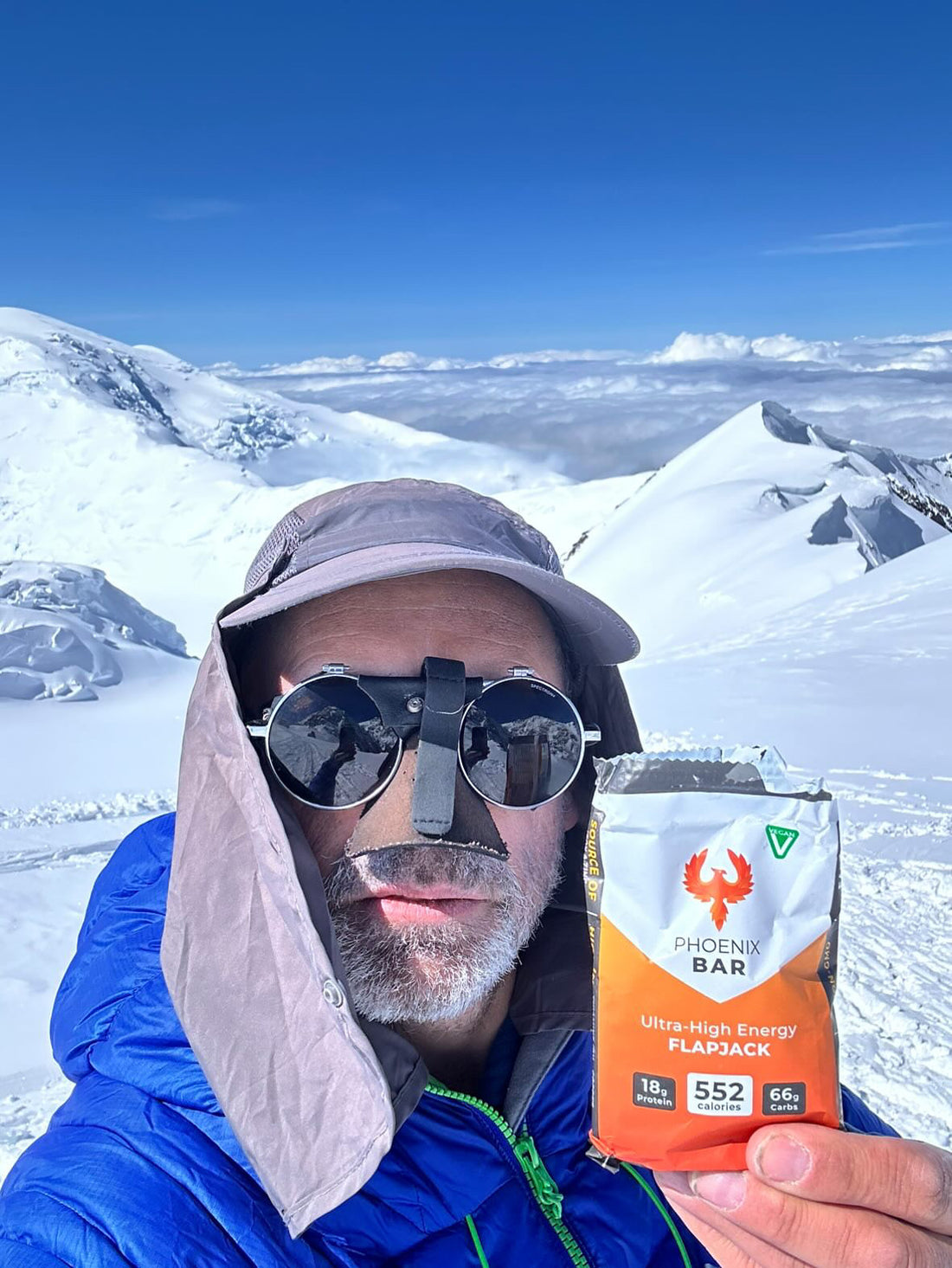
Viele Kalorien. Kleiner Riegel.
Bis zu 557 Kalorien in einem kompakten, leichten Riegel von nur 120 g, mit bis zu 66 g Kohlenhydraten und 19 g Protein. Im Ganzen essen, über ein paar Stunden in Stücken essen oder mit heißem Wasser oder warmer Milch zu Porridge verrühren.
Leicht zu essen, leicht verdaulich und nicht zu süß. Kunden haben sie bei -45 °C und in der Hitze des Marathon des Sables gegessen, und sie sind bis zu zwei Jahre haltbar: für die Berge, die Nachtschicht oder zu Hause, an Tagen, an denen genug zu essen schwerfällt.
- 557 Kalorien in nur 120 g (529 bis 557 je nach Sorte)
- 4,6 Kalorien pro Gramm
- 66g Kohlenhydrate pro Riegel (bis zu)
- 19g Protein pro Riegel (bis zu)
Widerruf erklären
Füllen Sie das folgende Formular aus, um Ihre Widerrufserklärung abzugeben.

